
YouTube Ads: Your Complete 2026 Strategy Guide

Modest Mitkus
May 24, 2026
YouTube advertising has evolved into one of the most powerful digital marketing channels available to brands today. With over 2.7 billion monthly active users and counting, the platform offers unprecedented reach combined with sophisticated targeting capabilities that can put your message in front of the exact audience you need. Whether you're a DTC brand, agency, or marketer, understanding how to leverage ads youtube effectively can transform your customer acquisition strategy and dramatically improve your return on ad spend.
Understanding the YouTube Ads Landscape in 2026
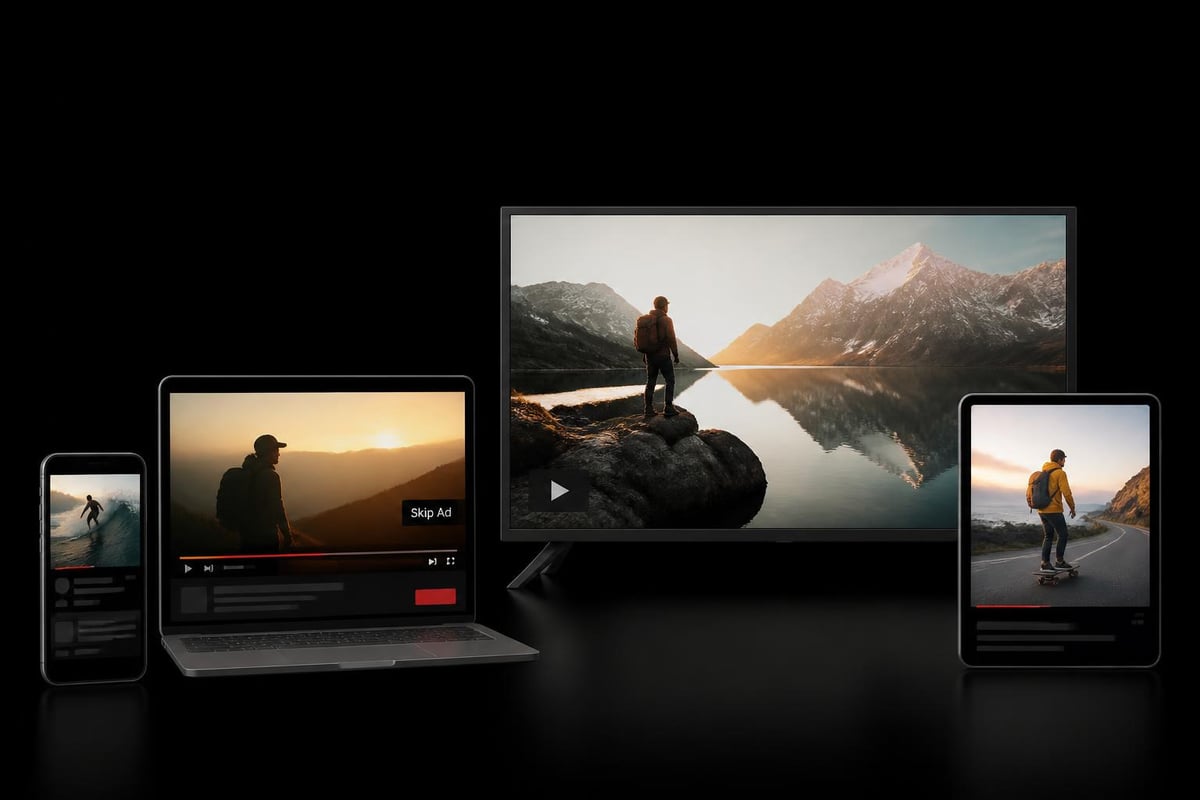
The world of ads youtube has expanded far beyond simple pre-roll videos. Today's advertisers have access to a diverse ecosystem of ad formats, each designed for specific campaign objectives and audience behaviors.
According to recent YouTube advertising statistics, the platform continues to dominate video advertising with an average view rate of 31.9% across campaigns, significantly outperforming many traditional display formats. This engagement level makes YouTube ads particularly valuable for brands looking to build awareness, drive consideration, or generate direct conversions.
The Evolution of Video Ad Formats
YouTube now offers eight distinct ad formats, each serving different strategic purposes:
- Skippable in-stream ads (TrueView): Users can skip after 5 seconds
- Non-skippable in-stream ads: 15-20 second ads that must be watched
- Bumper ads: 6-second non-skippable spots perfect for brand recall
- Overlay ads: Semi-transparent banners appearing on video content
- Display ads: Shown alongside videos on desktop
- Sponsored cards: Product-focused cards within videos
- YouTube Shorts ads: Full-screen vertical video ads
- Connected TV ads: Big-screen experiences for living room viewing
Each format requires a different creative approach and strategic implementation to maximize performance.
Building Your YouTube Ads Strategy
Success with ads youtube starts with a clear understanding of your campaign objectives and how they align with available ad formats. The platform's versatility means you can simultaneously run awareness campaigns, nurture mid-funnel prospects, and drive bottom-funnel conversions.
Defining Campaign Objectives and KPIs
Before launching any YouTube advertising campaign, establish concrete metrics that align with business goals:
| Campaign Type | Primary KPI | Secondary Metrics |
|---|---|---|
| Awareness | Impressions, Reach | View Rate, CPM |
| Consideration | Views, Engagement | Watch Time, CTR |
| Conversion | Conversions, ROAS | CPA, Conversion Rate |
| Retargeting | Remarketing Lists | Frequency, CTR |
The YouTube advertising strategy guide emphasizes the importance of aligning ad format selection with these objectives rather than defaulting to any single format type.
Audience Targeting Capabilities
YouTube's targeting options have become incredibly sophisticated, allowing advertisers to reach users based on:
Demographic targeting includes age, gender, parental status, and household income, providing foundational audience segmentation. Affinity audiences group users by long-term interests and lifestyle patterns, perfect for top-of-funnel awareness campaigns.
In-market audiences identify users actively researching or planning purchases in specific categories. These segments are particularly valuable for mid-to-lower funnel campaigns where intent signals matter most.
Custom intent audiences let you build segments based on keywords users have recently searched, making them ideal for capturing high-intent prospects. Remarketing lists re-engage users who've previously interacted with your brand, often delivering the highest conversion rates at the lowest cost.
The precision available through YouTube's targeting ecosystem means you can create highly specific audience segments that dramatically improve campaign efficiency.
Creative Best Practices for High-Performing YouTube Ads
Creating effective ads youtube requires understanding both platform-specific best practices and fundamental principles of video storytelling. The most successful advertisers focus on hooking attention immediately, delivering value quickly, and maintaining viewer engagement throughout.
The Critical First Five Seconds
Your opening hook determines whether viewers stick around or hit skip. YouTube advertising best practices consistently emphasize the importance of front-loading value and interest.
Successful opening hooks typically include:
- Pattern interrupts: Unexpected visuals or statements that break scrolling behavior
- Questions: Thought-provoking queries that create curiosity gaps
- Bold claims: Specific, compelling statements that promise clear benefits
- Problem identification: Immediately calling out the pain point your product solves
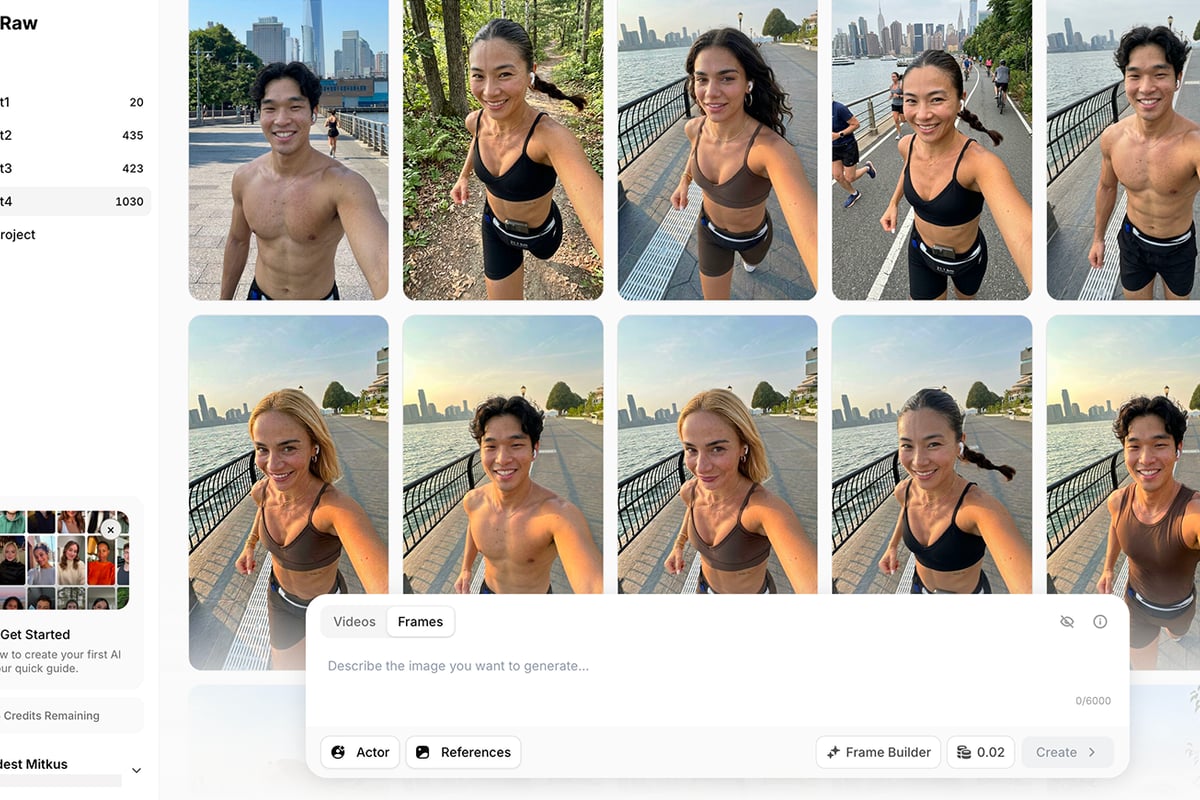
For brands producing volume creative testing, traditional video production timelines can become a significant bottleneck. When you need dozens of variations to test different hooks, angles, and messaging approaches, waiting weeks for creator shoots isn't practical. Modern AI video generation tools let you produce UGC-style content at scale, creating multiple variations in minutes rather than weeks.
Optimizing Video Length by Format
Different ad formats perform optimally at different lengths:
- Bumper ads: Exactly 6 seconds (non-negotiable)
- Skippable in-stream: 15-30 seconds for most campaigns, up to 3 minutes for retargeting
- Non-skippable in-stream: 15-20 seconds maximum
- YouTube Shorts ads: 15-60 seconds in vertical format
The key is matching length to viewer intent and funnel position. Awareness campaigns often perform well with shorter, punchier content, while consideration and retargeting campaigns can sustain longer narratives.
Advanced Optimization Strategies
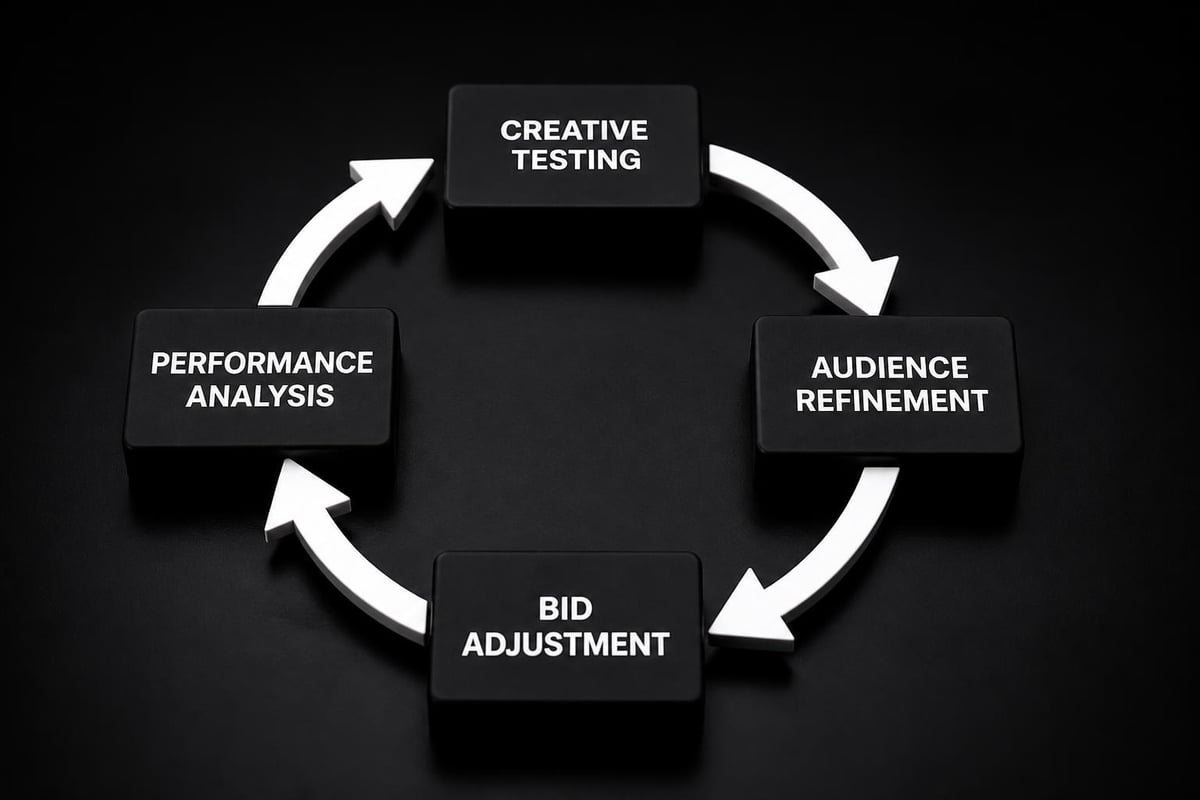
Once your campaigns are live, continuous optimization separates mediocre performance from exceptional results. The most sophisticated advertisers treat YouTube ads as iterative testing environments where data-driven insights fuel ongoing improvement.
Creative Testing Frameworks
Systematic creative testing uncovers what messaging, visuals, and calls-to-action resonate most with your audience. Implement a structured testing approach:
- Establish control creative: Your baseline performer against which variants are measured
- Test one variable at a time: Isolate what's driving performance changes
- Gather statistical significance: Run tests long enough to generate meaningful data
- Document learnings: Build an insights library that informs future creative development
- Scale winners: Increase budget allocation to top performers
The challenge many brands face is producing enough creative variations to fuel this testing cycle. When creating video content with AI, you can rapidly generate multiple versions testing different hooks, body copy, and CTAs without the cost and time constraints of traditional production.
Bidding Strategy Selection
YouTube offers several bidding strategies optimized for different objectives:
| Bidding Strategy | Best For | Optimization Focus |
|---|---|---|
| Maximum CPV | Video views | Cost per view |
| Target CPM | Awareness/reach | Cost per thousand impressions |
| Target CPA | Conversions | Cost per acquisition |
| Maximize Conversions | Conversion volume | Total conversions within budget |
| Target ROAS | Revenue efficiency | Return on ad spend |
Start with manual bidding strategies to understand baseline performance, then transition to automated strategies once you've accumulated sufficient conversion data for the algorithm to optimize effectively.
YouTube Shorts Ads: The Vertical Video Opportunity
YouTube Shorts has exploded in popularity, with over 70 billion daily views as of 2026. This growth has created a significant new advertising opportunity through dedicated Shorts ad placements.
Why Shorts Ads Matter
Shorts ads appear in the dedicated Shorts feed, capturing users in a highly engaged, scroll-friendly environment similar to TikTok and Instagram Reels. The format's vertical orientation and full-screen experience create immersive viewing that drives higher engagement rates than traditional horizontal video.
Performance data shows Shorts ads often deliver:
- Higher view rates compared to standard in-stream formats
- Lower CPM in many audience segments
- Stronger mobile engagement with Gen Z and Millennial demographics
- Better creative testing velocity due to shorter production cycles
The vertical format requires rethinking traditional video composition. Successful Shorts ads prioritize vertical framing, on-screen text for sound-off viewing, and rapid pacing that matches platform behavior patterns.
Creating Shorts-Optimized Content
Vertical video creative demands different approaches than horizontal YouTube content. Consider these optimization tactics:
Visual composition: Place key elements in the center vertical third of the frame where text overlays won't obscure them. Text overlays: Include captions and key messages as burned-in text since many users watch without sound. Pacing: Match the rapid-scroll environment with quick cuts, dynamic movement, and energy that holds attention.
Brands looking to scale Shorts ad production can leverage AI tools designed for vertical video formats that generate platform-optimized content quickly.
Connected TV Advertising Through YouTube
The rise of streaming has positioned YouTube as a major player in Connected TV advertising. Over 150 million people watch YouTube on TV screens in the United States alone, creating premium inventory for advertisers seeking big-screen impact.
CTV Ad Format Characteristics
YouTube CTV ads offer unique advantages:
- Non-skippable viewing: Most CTV placements are non-skippable, ensuring complete message delivery
- Premium context: Content consumed in lean-back living room environments
- Household reach: Capturing multiple viewers simultaneously
- Brand safety: More controlled content environments than open web placements
CTV campaigns typically command higher CPMs but deliver stronger brand lift and recall metrics compared to mobile or desktop placements.
Optimizing for the Living Room Experience
Creating effective CTV ads requires adapting to how people consume content in living room settings:
Production quality expectations are higher. CTV viewers expect television-level polish, making low-quality mobile-first creative less effective. Sound-on viewing is standard, so audio quality and voice-over work matter significantly more than in mobile environments.
Longer storytelling works better on CTV. The lean-back viewing context allows for 30-second and even 60-second narratives that would underperform on mobile. Brand-building messaging often outperforms direct response approaches, as CTV audiences are less likely to take immediate action on devices compared to mobile viewers.
Measuring YouTube Ad Performance
Effective measurement goes beyond surface-level metrics to understand true business impact. The most successful advertisers track performance across multiple dimensions, connecting ad metrics to actual business outcomes.
Essential Metrics by Funnel Stage
Top-of-funnel metrics focus on reach and efficiency:
- Impressions and unique reach
- View rate (percentage who watched)
- CPM (cost per thousand impressions)
- Brand lift studies for awareness impact
Mid-funnel metrics measure engagement and consideration:
- Average view duration
- Engagement rate (likes, comments, shares)
- Click-through rate to landing pages
- Audience retention graphs
Bottom-funnel metrics connect to revenue:
- Conversion rate
- Cost per acquisition (CPA)
- Return on ad spend (ROAS)
- Customer lifetime value attribution
The comprehensive guide to YouTube ad formats provides detailed benchmarks for each metric across different ad types.
Attribution Challenges and Solutions
YouTube advertising often plays an assistive role in customer journeys rather than serving as the last-click conversion source. Implement multi-touch attribution models that credit YouTube appropriately:
View-through conversions track users who saw your ad but didn't click, later converting through other channels. Data-driven attribution uses machine learning to assign conversion credit across touchpoints based on actual impact patterns. Brand lift studies measure attitudinal shifts and awareness changes that precede conversions.
Don't rely solely on last-click attribution, which dramatically undervalues awareness and consideration channels like YouTube.
Budget Allocation and Scaling Strategies
Strategic budget management separates campaigns that plateau from those that scale profitably. Approach YouTube ad spend with disciplined testing frameworks that identify opportunities before committing significant resources.
Phased Testing Approach
Start small and scale systematically:
- Discovery phase ($500-$2,000): Test multiple ad formats, audiences, and creative approaches to identify initial winners
- Validation phase ($2,000-$10,000): Expand top performers with larger sample sizes to confirm scalability
- Scale phase ($10,000+): Aggressively increase budgets on validated campaigns while maintaining creative refresh cycles
This phased approach prevents premature scaling of underperforming campaigns while providing sufficient data to identify genuine opportunities.
Maintaining Performance During Scale
Many campaigns hit performance walls when budgets increase. Combat diminishing returns through:
Audience expansion: Gradually broaden targeting to reach new prospect pools. Creative refreshment: Introduce new ad variations every 7-14 days to combat creative fatigue. Bid strategy adjustment: Shift from manual to automated bidding as conversion volume increases.
The most successful YouTube advertisers view scaling as an ongoing optimization process rather than a one-time budget increase.
Common YouTube Ads Mistakes to Avoid
Learning from common pitfalls accelerates your path to profitable campaigns. Here are the most frequent mistakes that undermine YouTube advertising performance:
Technical and Strategic Errors
Ignoring mobile optimization: Over 70% of YouTube watch time occurs on mobile devices. Creative that doesn't work well on small screens dramatically limits performance.
Weak calls-to-action: Viewers need clear direction on what to do next. Vague or absent CTAs leave interested prospects without a conversion path.
Audience/creative misalignment: Running the same creative across vastly different audience segments. Cold audiences need different messaging than warm remarketing lists.
Insufficient creative testing: Relying on a single creative asset. Even high performers eventually fatigue, and systematic testing uncovers unexpected winners.
Poor landing page experience: Driving traffic to slow, confusing, or misaligned landing pages destroys conversion rates regardless of ad quality.
AI-Powered Creative Production for YouTube Ads
The traditional creator economy model creates bottlenecks for brands needing volume creative testing. Booking creators, managing shoots, waiting for edits, and coordinating revision cycles can stretch single video production timelines to weeks.
Modern approaches to UGC video creation eliminate these bottlenecks through AI-powered production workflows. Rather than hiring multiple creators to test different hooks and angles, brands can generate UGC-style content with AI actors that deliver authentic-feeling performances in minutes.
This production efficiency matters significantly for YouTube advertising success. The platform rewards fresh creative with better delivery and lower CPMs. Brands that refresh ads every week dramatically outperform those running the same creative for months.
The ability to rapidly test different messaging approaches, visual styles, and calls-to-action creates competitive advantages in crowded markets. When your competitors need weeks to produce one new ad, you can test ten variations and identify winners before they've finished their first revision.
YouTube advertising in 2026 offers unprecedented opportunities for brands willing to approach the platform strategically with systematic testing, audience precision, and creative excellence. The combination of massive reach, sophisticated targeting, and diverse ad formats makes ads youtube one of the most versatile channels in your marketing mix. If you're ready to scale your YouTube advertising with rapid creative testing and UGC-style content that converts, AdsRaw lets you generate professional ad variations in minutes, testing different hooks, actors, and messaging approaches without the traditional production bottlenecks that slow down creative iteration.