
AI Actors: The Future of Digital Advertising in 2026

Modest Mitkus
May 19, 2026
The advertising landscape has undergone a seismic shift. Where brands once spent thousands of dollars and weeks coordinating with talent agencies, makeup artists, and production crews, they now generate compelling video content in minutes. AI actors have emerged as a game-changing technology that's reshaping how businesses create, test, and scale their advertising content. These digital performers look, sound, and move like real people, but they exist entirely within software, ready to deliver your message whenever you need them.
What Exactly Are AI Actors?
AI actors are digitally generated human characters that can appear in videos, images, and other visual content. Unlike traditional CGI characters that require frame-by-frame animation, these performers are created using advanced machine learning models trained on vast datasets of human movement, speech patterns, and facial expressions.
The technology combines several AI disciplines to create convincing performances. Deep learning algorithms analyze thousands of hours of video footage to understand how humans move and speak. Natural language processing enables these digital performers to deliver scripts with appropriate emotion and emphasis. Generative adversarial networks (GANs) ensure the final output looks photorealistic rather than uncanny or artificial.
What makes ai actors particularly powerful for marketing is their versatility. You can adjust their appearance, tone, delivery style, and even the language they speak without reshooting anything. Need to test five different hooks for your Facebook ad? Just regenerate the same actor with different scripts.
The Technical Foundation Behind Digital Performers
The creation of convincing ai actors relies on several interconnected technologies working in harmony. At the core, you'll find neural networks that have been trained on millions of images and videos of real human faces and bodies. These networks learn to recognize patterns in how humans express emotions, how light interacts with skin, and how different facial features move in relation to each other.
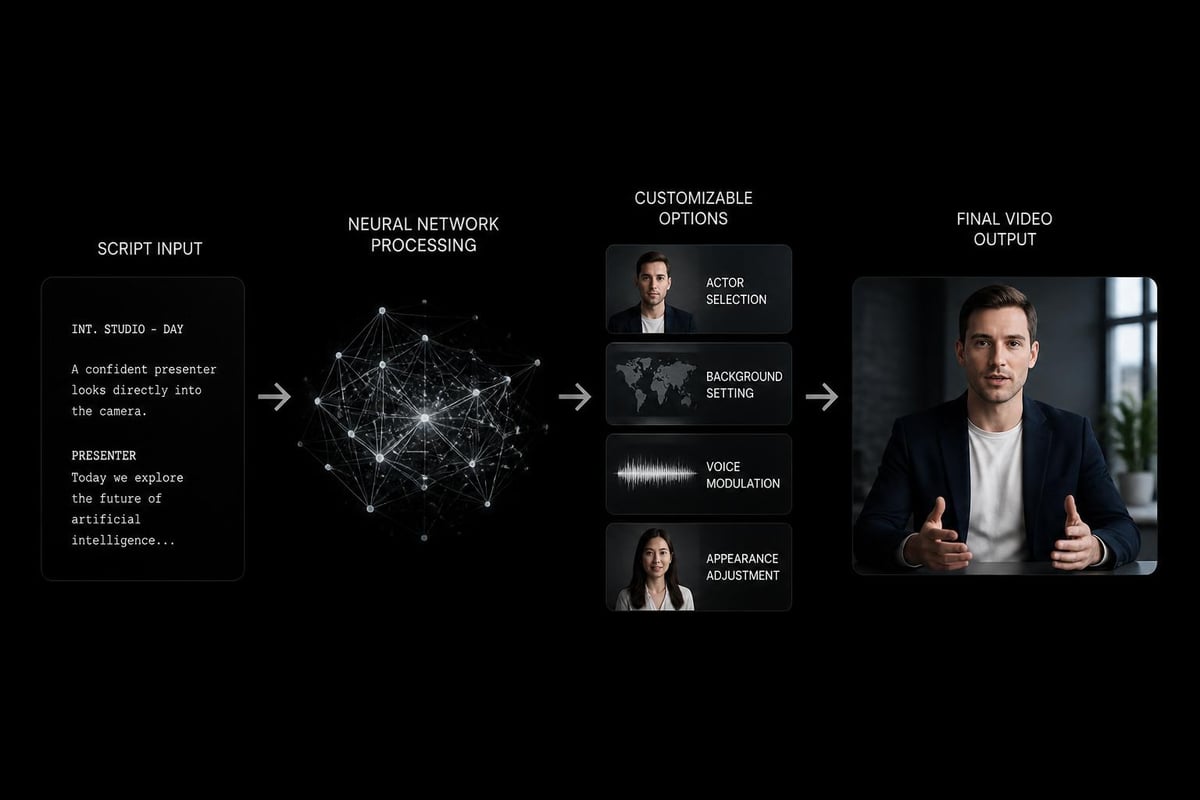
Voice synthesis has become equally sophisticated. Modern text-to-speech systems can capture subtle vocal nuances like breath patterns, natural pauses, and emotional inflection. When you write a script for an AI actor, the system doesn't just read words mechanically-it interprets context and delivers the message with appropriate feeling.
Key technical components include:
- Facial animation systems that map emotional expressions to digital faces
- Body movement generators trained on real human motion data
- Voice synthesis engines capable of multiple languages and accents
- Lighting and rendering systems that ensure realistic visual output
- Real-time processing capabilities for rapid content generation
Why Brands Are Embracing AI Actors
The shift toward digital performers isn't just about novelty. It's driven by concrete business advantages that traditional production methods simply can't match.
Speed and Scalability
Traditional video production follows a predictable timeline. You spend days or weeks finding the right actor, coordinating schedules, booking studio time, and managing post-production. If you want to test ten different ad variations, you're looking at significant time and budget multiplication.
With ai actors, that entire process compresses into minutes. You can generate dozens of variations in the time it would take to set up a single traditional shoot. This speed advantage becomes critical when you're running performance marketing campaigns that require constant testing and iteration.
For ecommerce brands especially, this rapid production capability opens new possibilities. You can create product demonstration videos for every item in your catalog, test seasonal messaging quickly, and respond to trending topics while they're still relevant. The Shopify Chronicles at Talk Shop regularly features case studies from merchants who've transformed their content creation workflows using similar technologies.
Cost Efficiency That Changes the Game
Traditional video production costs add up quickly. Professional actors command hundreds or thousands of dollars per shoot. Studio rentals, equipment, crew, editing-it all accumulates. Even a simple product demonstration can easily cost $2,000 to $5,000 when you factor in all expenses.
| Production Element | Traditional Cost | AI Actor Approach |
|---|---|---|
| Talent fees | $500-$3,000+ | Included in platform |
| Studio rental | $300-$1,000/day | Not required |
| Video crew | $1,500-$5,000 | Not required |
| Editing | $500-$2,000 | Automated |
| Reshoots | Full cost repeat | Instant regeneration |
The economics become even more favorable when you consider reshoots and variations. Made a mistake in the script? Need to adjust the messaging based on early performance data? With traditional production, you're paying full costs again. With ai actors, you simply regenerate.
Creative Freedom and Experimentation
Perhaps the most transformative aspect of digital performers is how they change the creative process itself. When production costs are low and turnaround times are fast, you can afford to experiment.
Want to test whether a formal spokesperson or casual friend recommendation performs better? Generate both versions. Curious if humor or urgency drives more conversions? Test multiple emotional tones. This level of creative experimentation was previously limited to brands with massive advertising budgets.
The rise of AI-generated advertisements has made testing different creative approaches more accessible than ever before. Performance marketers can now apply the same rapid iteration methodology they use for ad copy and targeting to the creative assets themselves.
Real-World Applications Across Industries
AI actors aren't confined to a single use case. Their versatility has led to adoption across diverse marketing scenarios.
UGC-Style Product Reviews
User-generated content consistently outperforms polished brand content in engagement and conversion metrics. Consumers trust recommendations from "real people" more than obvious advertisements. The challenge? Coordinating with actual creators is time-consuming and unpredictable.
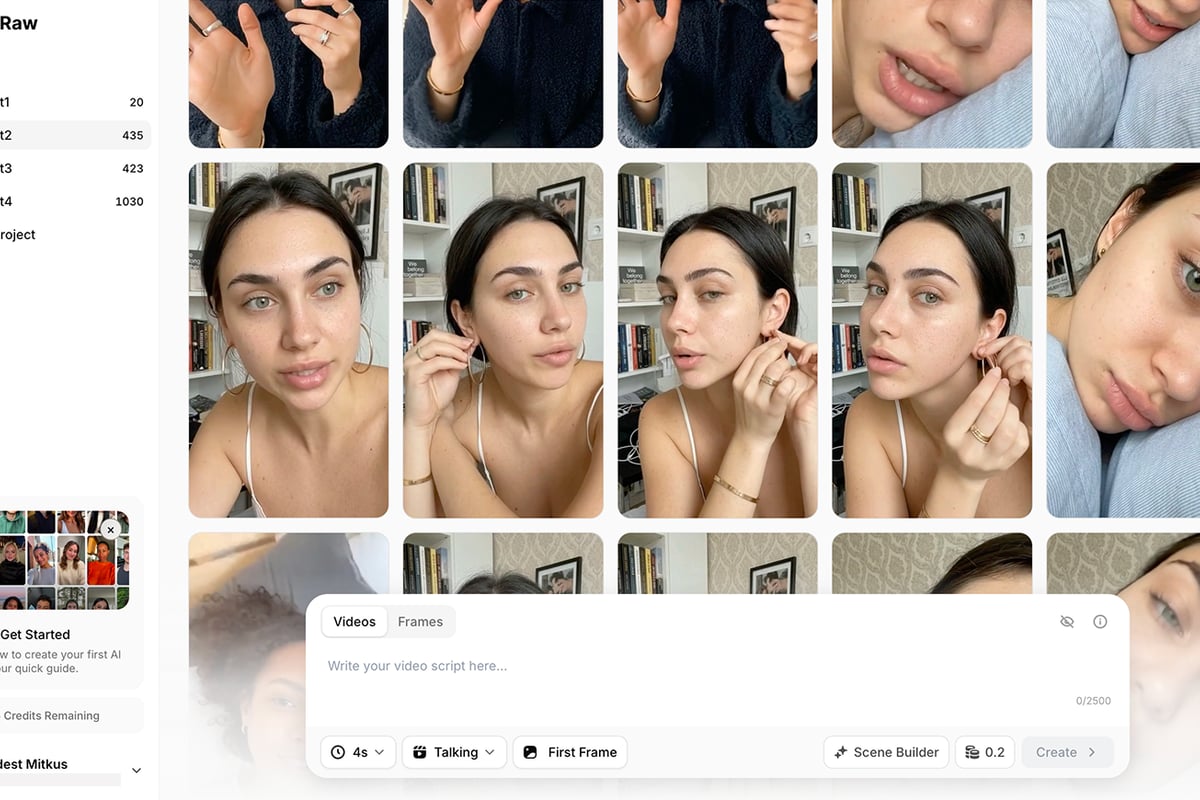
AdsRaw creates UGC-style videos with AI actors that look and sound like real people, allowing brands to generate authentic-feeling testimonials and product reviews at scale. You get the trust-building benefits of UGC without the logistics headaches of managing multiple creator relationships.
Product Demonstrations and Tutorials
Showing how a product works often requires clear, step-by-step instruction. Traditional video tutorials need careful scripting, multiple takes to get the delivery right, and patient actors who can explain technical details naturally.
Digital performers excel at this application. You can program them with precise product knowledge, adjust their explanation speed for different audiences, and regenerate segments that need refinement. The result is polished, informative content that educates potential customers effectively.
Multi-Language Marketing Campaigns
Expanding into international markets traditionally meant finding actors who speak each target language, or dealing with awkward dubbed audio that doesn't match lip movements. AI actors can deliver the same message in multiple languages with synchronized lip movements and culturally appropriate delivery styles.
This capability is particularly valuable for direct-to-consumer brands operating across regions. You can maintain consistent brand messaging while adapting to local language preferences, all without multiplying production costs by the number of markets you serve.
The Ethics Debate Surrounding Digital Performers
Not everyone celebrates the rise of ai actors. The technology has sparked important conversations about transparency, labor displacement, and authenticity.
Disclosure and Transparency
Should brands disclose when they're using digital performers instead of real humans? Building trust in marketing with AI-generated actors requires careful consideration of transparency standards.
Some argue that consumers deserve to know when they're viewing synthetic content. Others contend that if the content is effective and not misleading about the product itself, the nature of the actor is irrelevant. Regulatory frameworks are still catching up to the technology, but best practices are emerging.
Current transparency approaches include:
- Subtle disclaimers in video descriptions
- "AI-generated content" labels on social platforms
- Focus on product authenticity rather than actor disclosure
- Clear communication in contexts where it matters most
Impact on Traditional Actors and Creators
The creator economy has provided income opportunities for thousands of people who make user-generated content for brands. What happens to these creators when brands can generate similar content artificially?
Concerns about replacing human performers extend beyond advertising into entertainment industries. The core argument centers on the unique value that human creativity, emotion, and experience bring to performances.
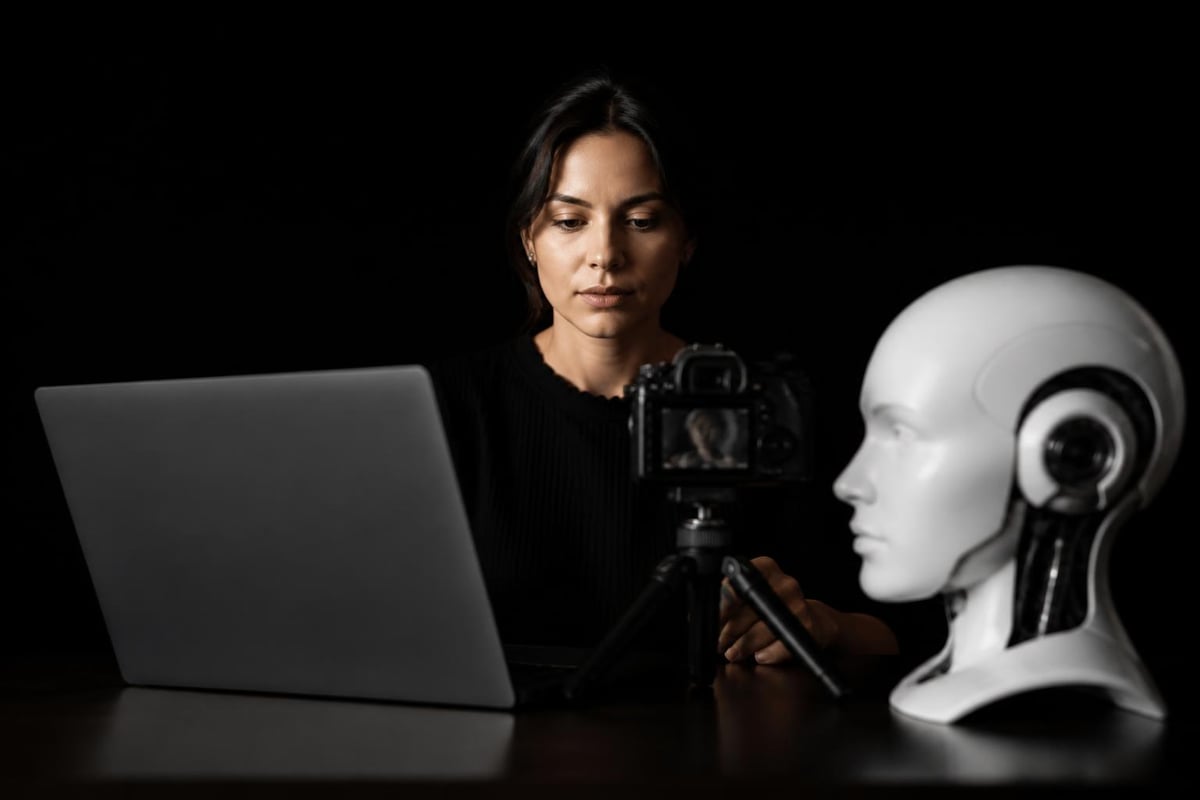
However, the reality is more nuanced than simple replacement. Many brands use ai actors for rapid testing and iteration, then invest in high-budget productions with real talent for their hero campaigns. The technology changes workflows rather than eliminating human involvement entirely.
The Question of Authenticity
Marketing has always balanced persuasion with authenticity. When you use an AI actor to deliver a product testimonial, is that inherently less authentic than hiring an actor to read a scripted testimonial? Both involve performance and direction.
The distinction may lie not in the technology itself, but in how it's deployed. Using digital performers to make false product claims is deceptive regardless of whether those performers are human or artificial. Using them to demonstrate genuine product benefits simply represents an evolution in production methods.
How to Effectively Implement AI Actors in Your Marketing
If you're considering incorporating digital performers into your advertising strategy, certain approaches yield better results than others.
Start with High-Volume Testing Scenarios
The strongest use case for ai actors is situations where you need many variations quickly. Performance marketing campaigns that require constant creative refresh are ideal starting points. Rather than replacing your entire content strategy, use digital performers to accelerate your testing velocity.
Generate five different hooks for the same product. Test different actor demographics to see which resonates with your target audience. Experiment with different emotional tones and messaging frameworks. Use the insights from these rapid tests to inform your broader creative direction.
Match Actor Style to Platform and Audience
Not all AI actor styles work equally well across platforms. LinkedIn audiences might respond better to professional, straightforward presentations. TikTok viewers often prefer casual, authentic-feeling content. Instagram sits somewhere in between.
Consider these platform-specific approaches:
- Facebook and Instagram: Mix polished product showcases with UGC-style authenticity
- TikTok: Prioritize casual delivery and trending formats
- YouTube: Longer-form demonstrations work well with informative, tutorial-style actors
- LinkedIn: Professional tone and business-focused messaging performs better
Combine AI with Real Footage
Pure AI-generated content works well for many applications, but blending digital actors with real product footage often produces the strongest results. Show your AI actor introducing the product, then cut to actual product shots, then return to the actor for the call-to-action.
This hybrid approach gives you the production efficiency of digital performers while grounding your content in tangible reality. It's particularly effective for physical products where seeing real-world details matters to purchase decisions.
The Evolving Landscape of Digital Performers
The technology behind ai actors continues advancing rapidly. What's possible in 2026 significantly exceeds what was achievable just two years ago, and the trajectory suggests even more sophisticated capabilities ahead.
Increasing Realism and Emotional Range
Early AI-generated characters often suffered from the "uncanny valley" effect-they looked almost human but something felt off. Modern systems have largely overcome this limitation. Today's digital performers display subtle micro-expressions, natural eye movements, and authentic emotional range that viewers find genuinely convincing.
The next frontier involves contextual awareness. Rather than simply reading scripts, emerging systems can improvise responses, adjust delivery based on sentiment analysis, and even engage in limited real-time interactions. These capabilities will further blur the lines between human and artificial performance.
Integration with Broader Marketing Systems
AI actors don't exist in isolation. They're becoming components of larger marketing automation systems. Imagine a workflow where your customer data platform identifies a segment showing purchase intent, triggers personalized video creation with specific messaging, deploys ai actors to deliver that message, and automatically optimizes based on engagement metrics.
This level of integration transforms digital performers from a production tool into a strategic marketing asset. Creative testing with AI-generated actors becomes part of your automated optimization loop rather than a separate production process.
Compensation and Rights Management
As ai actors become more prevalent, new business models are emerging around their use. Industry solutions for compensating AI performers address the complex question of rights and usage terms.
When you license an AI actor, you're typically getting usage rights to the digital character rather than paying for performance time. Some platforms offer subscription models with unlimited generation. Others charge per video or per variation. Understanding these pricing structures helps you evaluate the true economics versus traditional production.
Common Misconceptions About AI Actors
Despite growing adoption, several myths about digital performers persist in marketing circles.
Myth #1: They always look obviously fake. Modern ai actors have become remarkably convincing. While trained observers might spot subtle tells, general audiences typically cannot distinguish well-executed AI content from real footage.
Myth #2: They can only handle simple scripts. Today's systems handle complex narratives, technical explanations, and nuanced emotional delivery. The limitation is more often the prompt quality than the technology capability.
Myth #3: Using them will damage your brand credibility. When deployed appropriately with quality content, ai actors perform as well as traditional content in trust and conversion metrics. The controversy around AI in advertising typically stems from poor execution rather than the technology itself.
Myth #4: They eliminate the need for human creativity. Digital performers are tools that amplify human creativity. You still need strong scripts, strategic thinking, and creative direction. The technology accelerates execution, but creativity remains distinctly human.
Practical Considerations for Getting Started
If you're ready to experiment with ai actors in your advertising, several practical factors deserve attention.
Choosing the Right Platform
Not all AI actor platforms offer the same capabilities. Evaluate options based on:
- Actor diversity: Range of ages, ethnicities, and presentation styles
- Voice quality: Natural-sounding speech with appropriate emotional tone
- Customization options: Ability to adjust appearance, delivery, and context
- Output formats: Resolution, aspect ratios, and file types suitable for your platforms
- Generation speed: Time from script submission to final video
- Pricing structure: Per-video, subscription, or usage-based models
Visit AdsRaw's platform to see examples of what's currently possible with state-of-the-art technology.
Writing Effective Scripts
The quality of your output depends heavily on script quality. AI actors follow your direction precisely, which means unclear or awkward scripts produce unclear or awkward videos.
Script best practices include:
- Write conversationally, using contractions and natural speech patterns
- Keep sentences relatively short-long, complex sentences sound unnatural
- Specify emotional tone when it matters (enthusiastic, empathetic, urgent)
- Include natural pauses with ellipses or paragraph breaks
- Test multiple script variations to find what resonates
Testing and Iteration Strategy
Approach ai actors with an experimentation mindset. Your first video probably won't be your best performer. Generate multiple variations, test them against each other, and refine based on performance data.
Track metrics beyond just click-through rates. Monitor engagement duration, conversion rates, and cost per acquisition. Sometimes a video with slightly lower initial engagement actually drives better business outcomes because it attracts more qualified prospects.
Integration with Existing Marketing Workflows
Adding ai actors to your marketing toolkit doesn't require abandoning existing processes. Most successful implementations involve gradual integration rather than complete replacement.
Content Calendar Planning
Reserve slots in your content calendar specifically for AI-generated testing content. This might be 30-40% of your video output, with the remainder coming from traditional production methods for hero campaigns and brand-building content.
This balanced approach lets you maintain high production values for flagship content while achieving the testing velocity needed for performance optimization. Many agencies and brands find this hybrid model delivers better overall results than either approach alone.
Collaboration with Design and Creative Teams
Your creative team's role evolves when working with ai actors. Instead of coordinating shoots, they focus more on concept development, script refinement, and performance analysis. This shift can actually increase creative satisfaction by removing logistical headaches and allowing more time for strategic thinking.
For ecommerce merchants managing their own content, communities like those fostered by Talk Shop provide valuable support for navigating these workflow changes and learning from peers who've already made the transition.
Performance Measurement and Optimization
Treat AI-generated content like any other marketing asset-measure its performance rigorously and optimize based on data. Set up proper tracking to understand which actor styles, messaging approaches, and creative formats drive your key metrics.
The advantage of digital performers is that you can iterate quickly based on these insights. If you discover that casual, friendly delivery outperforms authoritative expert positioning, you can regenerate your entire content library with that style in hours rather than weeks.
AI actors represent a fundamental shift in how brands create video content, offering unprecedented speed, scalability, and creative flexibility for modern marketing demands. While ethical considerations and evolving best practices continue shaping the landscape, the core value proposition remains compelling for businesses seeking to test and optimize their advertising at scale. If you're ready to experience the efficiency of AI-generated UGC content firsthand, AdsRaw enables you to create scroll-stopping video ads with realistic digital performers in minutes, transforming how quickly you can bring creative concepts to market and identify what actually converts your audience.