
AI Video Ad Maker: Create Converting Ads in Minutes

Modest Mitkus
May 22, 2026
The advertising landscape has shifted dramatically. What once required expensive production crews, casting calls, and weeks of editing can now happen in minutes. An ai video ad maker has become the secret weapon for brands that need to test creative quickly, iterate based on performance data, and scale winning concepts without burning through their entire budget on a single video shoot. By 2026, nearly 90% of advertisers are using generative AI to build video ads, fundamentally changing how marketing teams approach creative production.
Why Traditional Video Ad Production Can't Keep Up
Traditional video advertising follows a predictable but painfully slow pattern. You brief a creative team, wait for storyboards, review concepts, cast talent, schedule a shoot day, film for hours, wait for editing, request revisions, and finally launch your ad weeks later. Then you discover it doesn't perform, and you're back to square one.
The traditional production bottlenecks include:
- Talent booking and scheduling conflicts
- Location scouting and permits
- Equipment rental and crew coordination
- Post-production editing timelines
- Revision cycles that add days or weeks
This process made sense when you could run the same ad for months. But in 2026's fast-paced digital environment, ads fatigue quickly. Your audience sees the same creative multiple times within days, and performance drops. You need fresh variations constantly, which is impossible when each video costs thousands and takes weeks to produce.
The Creative Testing Problem
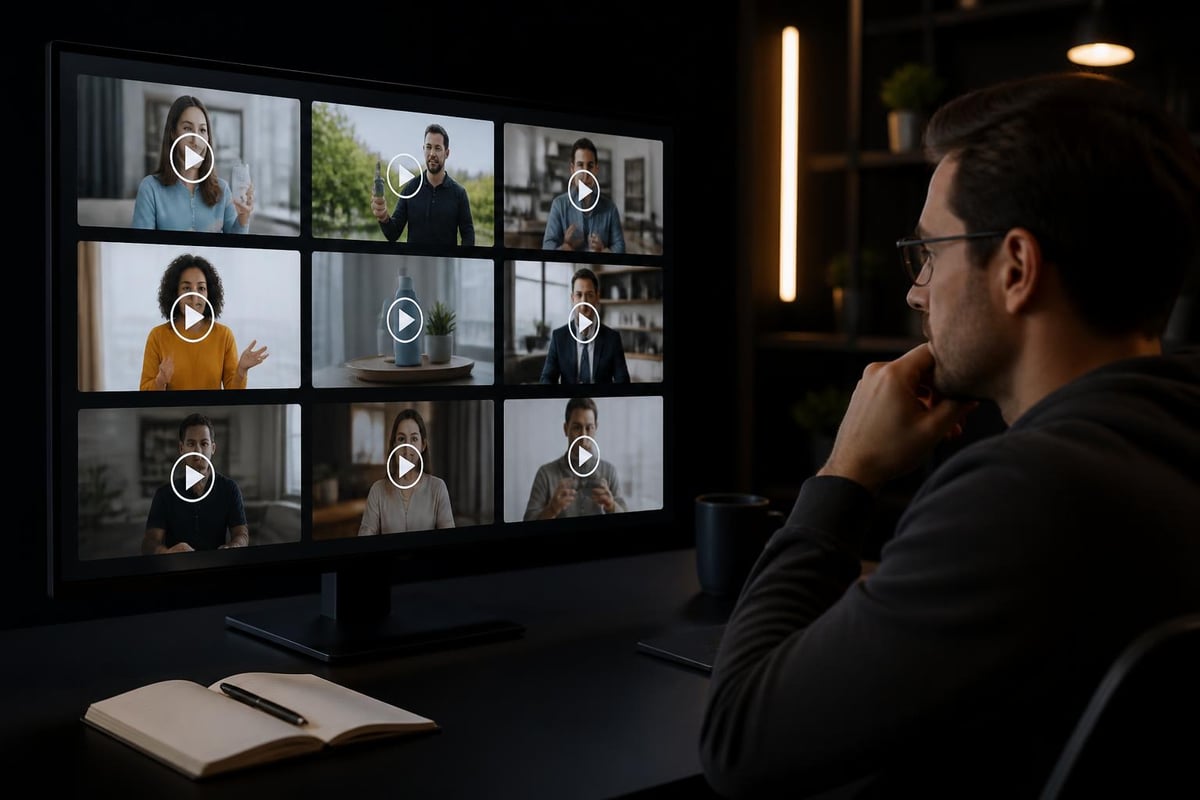
Performance marketers know that creative is the biggest lever for improving ad results. But testing creative requires volume. You need multiple hooks, different angles, various presenters, and alternative messaging to find what actually converts. Traditional production makes this prohibitively expensive.
An ai video ad maker solves this by turning creative testing from a luxury into a standard practice. Instead of betting everything on one expensive video, you can generate dozens of variations, test them with small budgets, and scale only what works.
How an AI Video Ad Maker Actually Works
The technology behind modern ai video ad maker platforms has evolved beyond simple template-based tools. Today's systems use advanced AI models to generate realistic video content that looks and feels like genuine user-generated content (UGC).
Here's the typical workflow:
- Script Input: You write what you want your ad to say
- Actor Selection: Choose from AI-generated presenters with different demographics and styles
- Scene Configuration: Set the environment, props, and visual context
- Generation: The AI creates your video in minutes
- Iteration: Make adjustments and generate variations instantly
The result? Video ads that capture the authentic, casual feel of creator content without the complexity of managing actual creators. This matters because UGC-style ads consistently outperform polished, traditional advertisements on social platforms.
The Technical Evolution
Early AI video tools could only create basic animations or slide-based videos. Modern platforms generate actual footage with realistic movement, natural speech patterns, and genuine-looking environments. The leap happened thanks to advances in generative AI, natural language processing, and video synthesis technologies.
| Traditional Production | AI Video Ad Maker |
|---|---|
| 2-4 weeks timeline | Minutes to hours |
| $2,000-$10,000 per video | $20-$200 per video |
| Limited variations | Unlimited iterations |
| Requires crew scheduling | On-demand generation |
| High friction for changes | Instant modifications |
What Makes AI-Generated Video Ads Effective
The effectiveness of an ai video ad maker isn't just about speed and cost. It's about creating ads that perform. The best AI-generated video ads share several characteristics that drive engagement and conversions.
Authenticity over polish remains the golden rule. Audiences, especially on platforms like TikTok and Instagram, respond better to content that feels real rather than overly produced. AI tools excel here because they can generate that raw, unscripted aesthetic that traditional production teams often overthink.
Platform-Specific Optimization
Different platforms demand different creative approaches. An ai video ad maker lets you quickly adapt your core message for each environment:
- TikTok: Fast-paced, trend-aligned content with immediate hooks
- Instagram Reels: Visually appealing, lifestyle-focused messaging
- Facebook: Slightly longer form with clear problem-solution framing
- YouTube Shorts: Educational angles with quick value delivery
You can create video with AI optimized for each platform without running separate production processes. The same script becomes five different videos, each tailored to where it'll run.
Overcoming the Trust Challenge
One legitimate concern about AI-generated advertising is audience trust. Some viewers feel uncomfortable with AI-created content, particularly when it mimics real people too closely. Research shows concerns about the 'uncanny valley' effect in AI advertising.
The solution? Transparency and quality. The best-performing AI-generated ads don't try to trick viewers. They focus on delivering value through clear messaging, helpful information, and genuine-feeling presentations. When the content itself is valuable, audiences care less about how it was produced.
Quality indicators that build trust:
- Natural speech patterns without robotic delivery
- Contextually appropriate gestures and expressions
- Consistent lighting and realistic environments
- Relevant product interaction and demonstration
- Clear, benefit-focused messaging
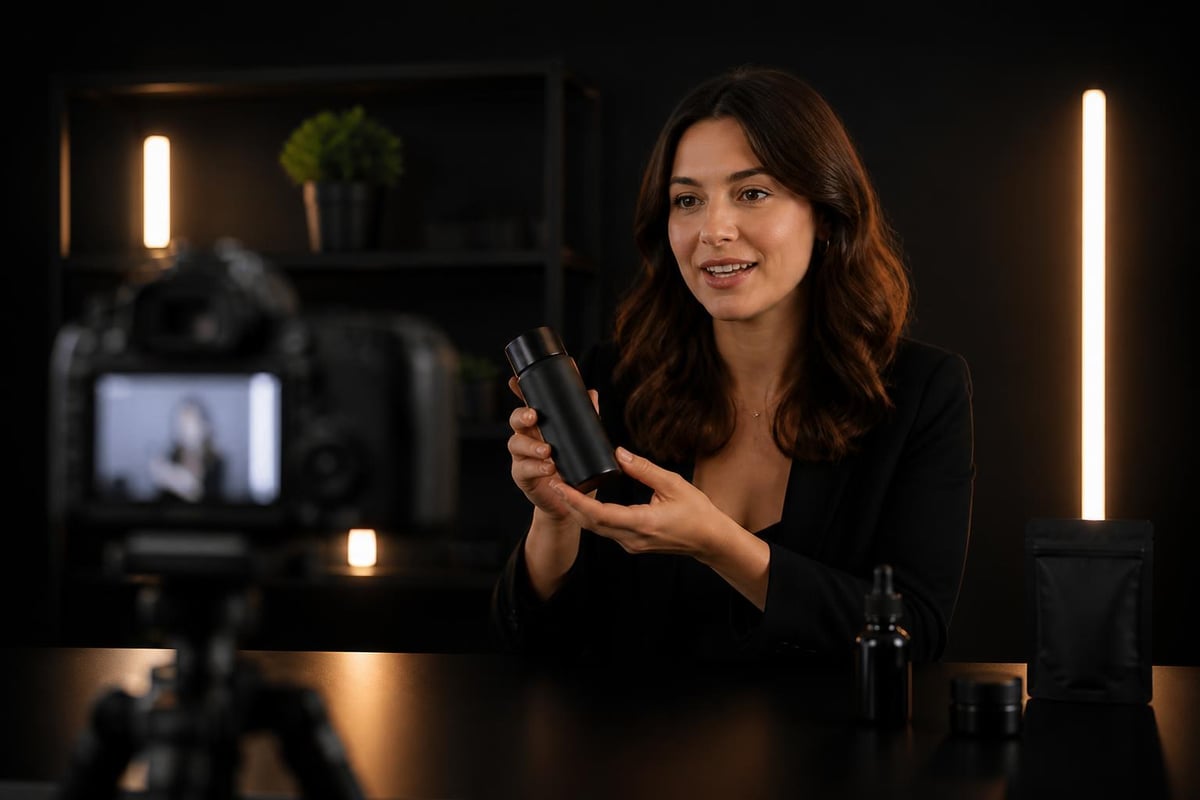
When you're generating AI ads for ecommerce, fashion, or beauty brands, showing the product in realistic contexts matters more than perfect production value. Viewers want to see how something actually looks and works, not a Hollywood-level commercial.
Real-World Applications Across Industries
An ai video ad maker isn't limited to a single industry or use case. The versatility makes it valuable across virtually every vertical that runs digital advertising.
E-commerce and DTC Brands
For e-commerce brands, generating product videos at scale changes everything. Instead of shooting one hero video per product, you can create dozens showing different use cases, benefits, and target demographics. A skincare brand might generate separate ads for morning routines, evening rituals, travel scenarios, and seasonal concerns without a single photoshoot.
Service-Based Businesses
Local service businesses-from dental practices to law firms-traditionally struggled with video advertising costs. An ai video ad maker democratizes video content, letting these businesses explain their services, showcase testimonials, and build trust through video without production budgets that exceed their entire marketing spend.
Agency Workflows
Marketing agencies face unique pressure. Client demands for fresh creative are constant, but production budgets and timelines are tight. AI video generation becomes a force multiplier, letting one strategist output the creative volume that previously required an entire production team.
| Industry | Primary Use Case | Key Benefit |
|---|---|---|
| E-commerce | Product demonstrations | Volume testing of angles |
| SaaS | Feature explanations | Quick iteration on messaging |
| Fashion | Styling inspiration | Multiple model types instantly |
| Real Estate | Property showcases | Location-specific customization |
| Fitness | Exercise demonstrations | Diverse instructor representation |
The Content Volume Advantage
One underappreciated benefit of an ai video ad maker is the sheer volume of content you can produce. In the attention economy, more relevant content creates more opportunities to connect with your audience. But only if you can maintain quality while scaling quantity.
Consider the math: A traditional video production might yield 3-5 usable ad variations from a day-long shoot. An AI platform can generate 50-100 variations in the same time period. This isn't about creating spam-it's about having enough creative to test properly and find genuine winners.
The Testing Methodology
Volume enables scientific testing. Instead of guessing what will work, you can:
- Generate 20 different hooks addressing various pain points
- Test each with small audiences to identify winners
- Create variations of winning concepts with different actors or settings
- Scale budget to top performers
- Refresh creative when performance declines
This iterative approach, powered by an ai video ad maker, mirrors how top-performing advertisers operate. The difference? They previously needed six-figure budgets and dedicated creative teams. Now it's accessible to businesses of all sizes.
Script Writing for AI Video Ads
The script remains your most important creative lever. Even the best ai video ad maker can only work with what you give it. Writing effective scripts for AI generation requires understanding both good copywriting fundamentals and the specific strengths of AI video platforms.
Winning script structures typically include:
- Strong hook (first 3 seconds): Grab attention with a question, surprising statement, or direct benefit
- Problem agitation (5-8 seconds): Make the viewer feel their pain point
- Solution introduction (5-10 seconds): Present your product as the answer
- Proof or demonstration (10-15 seconds): Show it working or share results
- Clear call-to-action (3-5 seconds): Tell viewers exactly what to do next
When you're working with script to video AI technology, specificity helps. Instead of "show the product," write "hold the bottle up to the camera and point to the ingredient list." Instead of "look excited," write "smile and nod while explaining the benefit."
Adapting Proven Frameworks
Direct response advertising frameworks that worked in traditional media work even better with AI video generation. The AIDA model (Attention, Interest, Desire, Action), PAS formula (Problem, Agitate, Solution), and Before-After-Bridge structure all translate perfectly to AI-generated video ads.
The advantage? You can test multiple frameworks simultaneously. Write five scripts using different approaches, generate videos from each, and let the data tell you which resonates with your specific audience.
Cost Analysis: AI vs Traditional Production
Let's get specific about numbers. Understanding the true cost difference between traditional video production and an ai video ad maker requires looking beyond the invoice.
Traditional video production costs:
- Pre-production planning: $500-$2,000
- Talent/actors: $500-$5,000 per day
- Crew (camera, sound, lighting): $1,500-$5,000 per day
- Location and equipment: $500-$3,000
- Post-production editing: $1,000-$4,000
- Total per video: $4,000-$19,000
AI video ad maker costs:
- Monthly platform subscription: $50-$500
- Per-video generation: $0-$50 depending on length
- Script development (your time): $0-$200
- Total per video: $10-$200
The cost difference becomes even more dramatic when you factor in iteration. With traditional production, each revision or new variation requires scheduling, shooting, and editing. That's another $2,000-$5,000 minimum. With AI, generating a new variation costs the same as the first one-basically nothing.
Integration with Your Marketing Stack
An ai video ad maker doesn't exist in isolation. The best workflows integrate AI video generation into your existing marketing processes and tools.
Workflow Integration Points
Creative management platforms: Export generated videos directly to your digital asset management system for organization and approval workflows.
Ad platforms: Most modern AI video tools offer direct publishing to Facebook Ads Manager, TikTok Ads, and other platforms, streamlining your launch process.
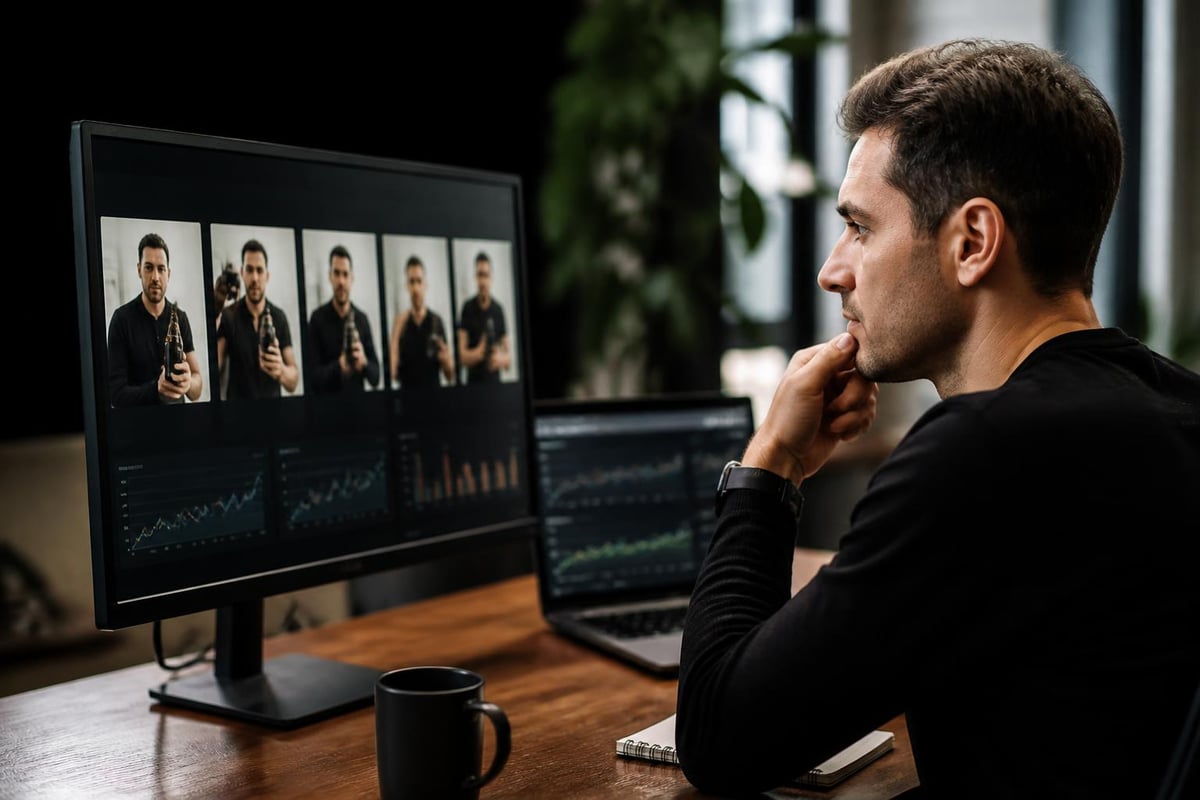
Analytics and testing: Connect performance data back to your creative attributes. Track which AI-generated actors, hooks, or product angles drive the best results.
Content calendars: Schedule AI video generation to match your campaign calendar, ensuring fresh creative is ready when you need it.
The platforms generating AI UGC ads today understand they're part of a larger ecosystem. Look for tools that offer API access, webhook integrations, and export options that match your team's workflow.
Performance Optimization Strategies
Creating videos is only half the battle. Making them perform requires strategic thinking about what you generate and how you test it.
Variables Worth Testing
An ai video ad maker lets you isolate and test specific variables that impact performance:
- Hook variations: Test 5-10 different opening lines to see what stops the scroll
- Actor demographics: Different audiences respond to different presenters
- Product angles: Feature-focused vs benefit-focused vs problem-focused messaging
- Video length: 15-second vs 30-second vs 60-second formats
- Call-to-action phrasing: "Shop now" vs "Learn more" vs "Get yours"
Track each variable's impact on your key metrics: hook rate (3-second views), hold rate (watching to completion), click-through rate, and ultimately cost per acquisition.
The Refresh Cycle
Even winning ads eventually fatigue. Usage data from successful brands shows creative refresh cycles of 7-14 days on platforms like Facebook and Instagram. That means you need new variations constantly. An ai video ad maker turns this from a production nightmare into a simple process: generate fresh versions of your winning concepts twice monthly.
Future Developments in AI Video Advertising
The ai video ad maker category is evolving rapidly. Google's creation of TV commercials with AI signals where the technology is headed-toward even more sophisticated generation capabilities and broader application.
Emerging capabilities to watch:
- Real-time personalization based on viewer data
- Multi-language generation from a single script
- Dynamic product integration (your actual product seamlessly integrated)
- Emotion-responsive content that adapts to viewer engagement
- Voice cloning for consistent brand voices across videos
These advances will make ai video ad maker tools even more powerful, enabling hyper-personalized advertising at scale. The brands investing in AI video capabilities now are building the skills and workflows to capitalize on these developments as they arrive.
Practical Implementation Guide
Ready to start using an ai video ad maker? Here's a practical roadmap for implementation that minimizes risk while maximizing learning.
Phase 1: Testing and Learning (Weeks 1-2)
Start small. Generate 5-10 videos addressing your core value proposition from different angles. Run them with minimal budget ($50-$100 each) to establish baseline performance. Focus on learning what resonates rather than driving immediate revenue.
Phase 2: Scaling Winners (Weeks 3-4)
Identify your top-performing concepts from phase one. Create 10-15 variations of these winners-different hooks, actors, or settings while maintaining the core message. Increase budget on top performers while continuing to test new angles.
Phase 3: Full Integration (Week 5+)
Build AI video generation into your regular creative workflow. Establish a rhythm: every Monday, generate new test concepts. Every Thursday, refresh winning ads with new variations. Track performance in a simple spreadsheet noting which variables correlate with success.
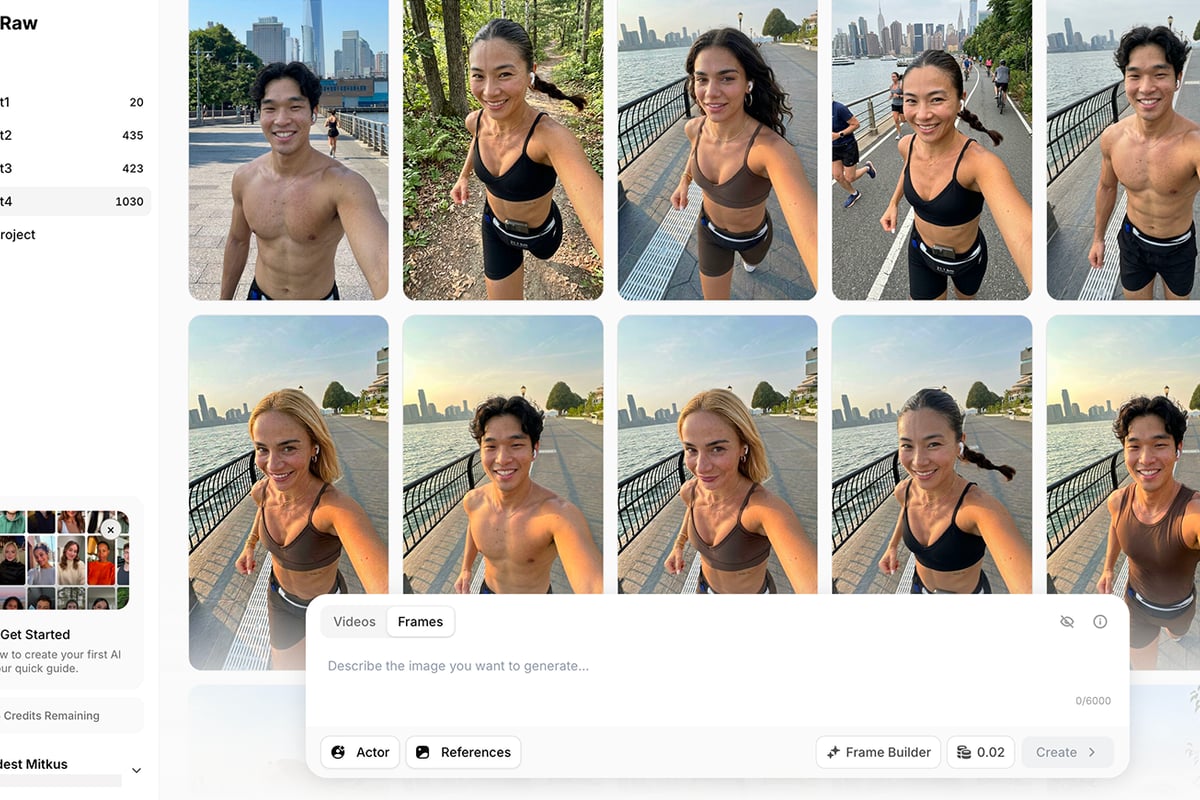
Creating high-quality ad content has never been more accessible. When you're ready to move beyond testing individual variations and start generating complete UGC-style campaigns, a platform designed specifically for this workflow makes the difference. AdsRaw streamlines the entire process from script to finished video, letting you select from diverse AI actors and generate realistic ad creatives that perform.
Building Your Creative Library
One often-overlooked benefit of an ai video ad maker is the creative library you build over time. Every video you generate becomes an asset for future campaigns, seasonal promotions, and retargeting initiatives.
Strategic library organization:
- Tag videos by product, campaign theme, and primary message
- Track performance metrics for each asset
- Note which actors or styles perform best for different audiences
- Maintain a "greatest hits" collection of proven winners
- Archive underperformers to avoid repetition
This library becomes increasingly valuable as you scale. New product launches can reference successful frameworks from past campaigns. Seasonal promotions can pull proven creative approaches and simply update the offer. Your cost per video decreases over time as you build institutional knowledge about what works.
Common Mistakes to Avoid
Even with an ai video ad maker handling the technical production, strategic mistakes can undermine your results.
Pitfalls that limit performance:
- Over-complicating scripts: AI-generated videos work best with clear, concise messaging
- Ignoring platform best practices: What works on TikTok differs from Facebook
- Insufficient testing volume: You need data to make informed decisions
- Copying competitor creative exactly: Use inspiration, but find your unique angle
- Setting and forgetting: Even AI-generated ads need performance monitoring
The most successful advertisers treat their ai video ad maker as a creative partner, not a replacement for strategic thinking. The tool handles production efficiency; you handle strategy, testing methodology, and optimization decisions.
AI video ad makers have fundamentally transformed advertising production, making what was once expensive and time-consuming both affordable and fast. The brands winning in 2026 are those that embraced volume testing, rapid iteration, and data-driven creative decisions. If you're ready to generate scroll-stopping UGC-style ads without the hassle of hiring creators or managing production schedules, AdsRaw provides the complete platform to write scripts, select AI actors, and launch high-performing video ads in minutes instead of weeks.