
UGC Videos: A Complete Guide for Modern Advertisers

Modest Mitkus
May 6, 2026
User-generated content videos have fundamentally reshaped how brands connect with audiences in 2026. These authentic, creator-style videos outperform traditional advertising by speaking the language of social media platforms where consumers spend most of their time. The raw, unpolished aesthetic of ugc videos builds trust and drives engagement in ways polished corporate content simply cannot match. As algorithms increasingly favor authentic content and consumers grow skeptical of obvious advertising, understanding how to leverage ugc videos has become essential for any brand looking to scale profitably on digital platforms.
What Makes UGC Videos Different from Traditional Advertising
The distinction between ugc videos and conventional marketing content extends far beyond production quality. Traditional ads feature professional actors, studio lighting, and carefully scripted messaging designed to showcase products in idealized scenarios. These videos immediately signal "advertisement" to viewers, triggering natural skepticism and scroll-past behavior.
In contrast, ugc videos mirror the content people already consume and create on platforms like TikTok, Instagram Reels, and YouTube Shorts. They feature real people (or appear to) sharing genuine experiences, opinions, and recommendations. The production value intentionally stays low, with natural lighting, smartphone cameras, and conversational delivery that feels like a friend's recommendation rather than a sales pitch.
Key characteristics that define effective ugc videos:
- Authentic, conversational tone that matches platform norms
- Natural settings like homes, coffee shops, or everyday environments
- Direct-to-camera delivery that creates personal connection
- Problem-solution narratives based on real usage scenarios
- Visible imperfections that signal authenticity rather than polish
The Psychology Behind UGC Video Performance
The superior performance of ugc videos stems from psychological principles that govern how consumers process information and make decisions. Social proof remains one of the most powerful persuasion triggers, and ugc videos deliver this by showcasing peers using and endorsing products.
Pattern interruption plays another crucial role. When users scroll through feeds, polished ads stand out as interruptions to their experience. UGC-style content blends seamlessly into the native content environment, reducing resistance and increasing view-through rates. Research on video quality assessment demonstrates how viewers evaluate content quality differently based on context and expectations, with platform-native content receiving more engagement despite technical imperfections.

Creating High-Performing UGC Videos in 2026
The production process for ugc videos has evolved significantly, with multiple pathways available depending on budget, timeline, and brand needs. Understanding these options enables smarter strategic decisions about content creation.
Working with UGC Creators
The traditional approach involves partnering with content creators who produce videos on behalf of brands. Platforms like BookUGC connect businesses with creators who film themselves using products and sharing testimonials. This method delivers authentic content from real people, though it requires managing creator relationships, providing products for testing, and waiting for content delivery.
Typical timeline for creator-based ugc videos:
- Creator sourcing and vetting (3-5 days)
- Product shipping and briefing (5-7 days)
- Content creation and initial filming (3-7 days)
- Review, feedback, and revisions (2-4 days)
- Final delivery and usage rights (1-2 days)
Total production time typically ranges from two to four weeks per batch of videos. While this produces genuinely authentic content, the timeline presents challenges for rapid testing and iteration that modern performance marketing demands.
Sourcing Pre-Made UGC Assets
Services like UGCdrop offer libraries of existing ugc videos that brands can license and use. This approach dramatically reduces production time, allowing marketers to access ready-made content organized by emotions, settings, and use cases. The tradeoff involves less product-specific messaging and reduced customization, though strategic editing can adapt generic content to specific brand needs.
AI-Powered UGC Creation
The newest and fastest-growing approach leverages artificial intelligence to generate realistic ugc videos without involving human creators. This technology synthesizes creator-style content that maintains the authentic look and feel of traditional ugc videos while eliminating the time, cost, and complexity of working with actual creators.
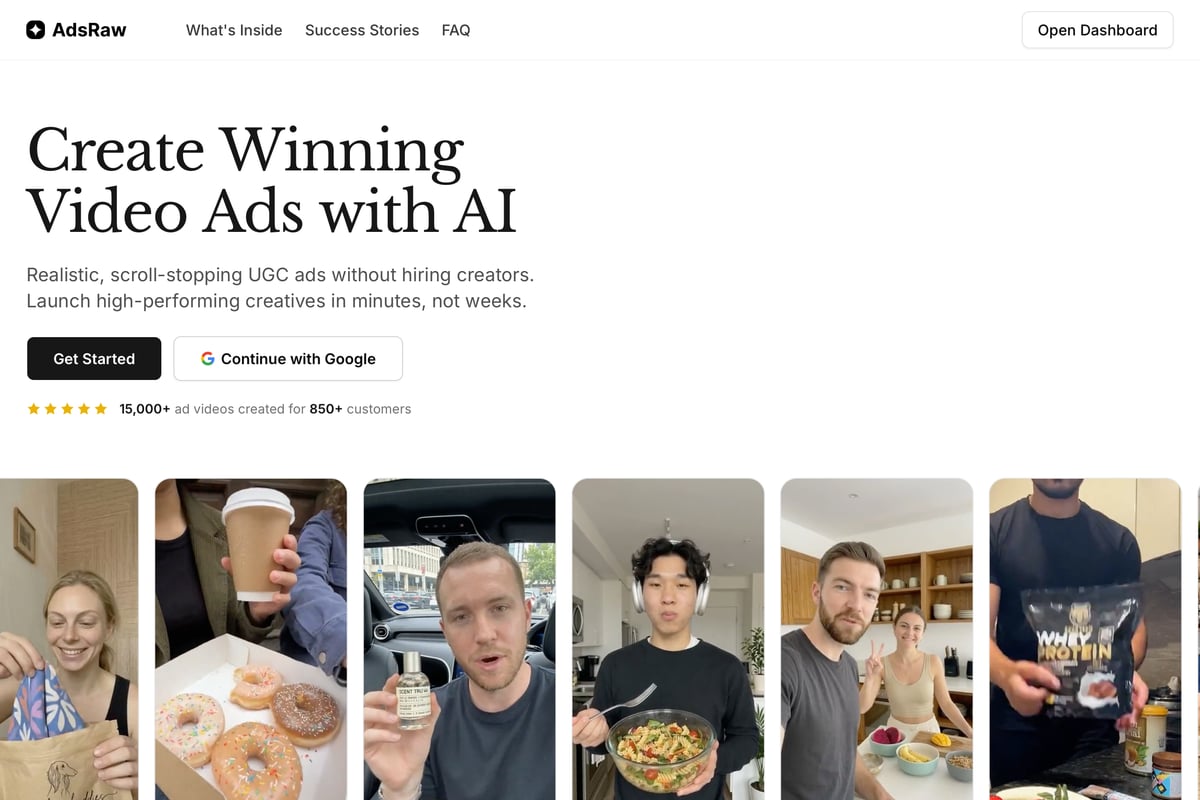
For brands needing to test multiple creative angles quickly, AI-generated ugc videos offer unprecedented speed and scalability. AdsRaw represents this emerging category, enabling businesses to produce scroll-stopping UGC-style ads in minutes rather than weeks. The platform addresses the core challenge of modern performance marketing: finding winning creative fast enough to capitalize on market opportunities.
| Creation Method | Timeline | Cost Per Video | Customization | Scalability |
|---|---|---|---|---|
| Creator Partnerships | 2-4 weeks | $150-500 | High | Low |
| Pre-Made Libraries | Immediate | $20-100 | Medium | Medium |
| AI Generation | Minutes | $10-50 | High | Very High |
UGC Video Formats That Drive Results
Not all ugc videos perform equally. Specific formats have emerged as particularly effective based on platform algorithms, user behavior patterns, and conversion data from thousands of campaigns.
Testimonial and Review Format
The most straightforward ugc video format features a creator sharing their experience with a product. This typically follows a before-after structure, problem-solution narrative, or feature-benefit walkthrough. The creator speaks directly to camera, often showing the product in use and highlighting specific benefits they've experienced.
Elements of high-converting testimonial ugc videos:
- Hook in first 3 seconds addressing specific pain point
- Personal story establishing credibility and relatability
- Product introduction as solution to stated problem
- Demonstration of key features and usage
- Specific results or benefits experienced
- Clear call-to-action with urgency element
Unboxing and First Impression Format
Unboxing content capitalizes on curiosity and the natural human interest in discovery experiences. These ugc videos capture the authentic reaction of someone encountering a product for the first time, building anticipation and excitement that translates to viewer engagement.
The format works particularly well for physical products where packaging, presentation, and initial quality impressions matter. Successful unboxing ugc videos maintain energy and genuine reactions rather than scripted commentary, preserving the spontaneous feel that drives engagement.
Tutorial and How-To Format
Educational ugc videos demonstrate product usage while providing value beyond simple promotion. By teaching viewers something useful, these videos earn attention and build authority. The creator positions themselves as a helpful expert rather than a salesperson, reducing resistance while showcasing product benefits through practical application.

Tutorial formats perform especially well for products with multiple use cases, technical features, or non-obvious applications. Examples of successful UGC videos across various formats demonstrate how different approaches serve different marketing objectives and audience segments.
Optimizing UGC Videos for Platform Performance
Creating ugc videos represents only half the equation. Optimization for specific platform requirements and algorithm preferences determines whether content reaches target audiences and drives conversions.
Technical Specifications by Platform
Each social platform has distinct technical requirements and user behavior patterns that influence how ugc videos should be formatted and delivered. Ignoring these specifications results in reduced reach, lower engagement, and wasted ad spend.
| Platform | Optimal Length | Aspect Ratio | Resolution | File Size |
|---|---|---|---|---|
| TikTok | 9-15 seconds | 9:16 (vertical) | 1080x1920 | <500 MB |
| Instagram Reels | 7-15 seconds | 9:16 (vertical) | 1080x1920 | <4 GB |
| Facebook Feed | 15-30 seconds | 1:1 or 4:5 | 1080x1080 | <4 GB |
| YouTube Shorts | 15-60 seconds | 9:16 (vertical) | 1080x1920 | <256 GB |
Research on UGC video quality reveals how transcoding processes across platforms affect visual quality, emphasizing the importance of starting with properly formatted source files rather than relying on platform conversion.
The First Three Seconds Rule
Platform algorithms and user behavior both demand immediate engagement. If ugc videos don't capture attention within the first three seconds, they've already failed. The opening moment must deliver a pattern interrupt, pose an intriguing question, make a bold statement, or showcase a compelling visual that stops the scroll.
Proven hooks for UGC video openings:
- "I've tested 47 [product category] and this one actually..."
- "Here's what nobody tells you about..."
- "This $X thing solved my [specific problem]..."
- "Stop buying [common alternative] until you see this..."
- "POV: You finally found..."
The hook must align with the target audience's pain points, desires, or curiosity triggers. Generic openings like "Hey guys" or "Today I want to show you" waste precious seconds that could establish relevance and value.
Sound Strategy and Music Selection
Audio plays a crucial role in ugc video performance, though the optimal approach varies by platform and objective. Trending sounds can boost organic reach on TikTok and Instagram Reels, as algorithms favor content using popular audio tracks. However, trending sounds change rapidly, requiring constant monitoring and quick adaptation.
For paid advertising, original audio often performs better because it doesn't compete with thousands of other videos using the same track. Creator voiceover with subtle background music maintains the authentic UGC feel while ensuring the message stands out.
Testing and Iteration Strategy for UGC Videos
The true power of ugc videos emerges through systematic testing that identifies winning creative elements and audience-message fit. Single videos rarely achieve optimal performance without iteration and refinement.
Creative Testing Framework
Effective testing isolates specific variables to understand what drives performance. Rather than testing completely different ugc videos against each other, structured testing varies individual elements while holding others constant.
Elements to test systematically:
- Hook variations (first 3 seconds with different openings)
- Creator personas (different ages, genders, presentations)
- Problem framing (various pain points for same solution)
- Feature emphasis (highlighting different product benefits)
- Call-to-action approaches (urgency, scarcity, social proof)
- Video length (shorter vs. longer versions)
This structured approach generates learnings that compound over time. Understanding which hooks resonate with your audience informs all future ugc videos, not just individual campaigns.
Performance Metrics That Matter
Vanity metrics like views and impressions provide limited insight into ugc video effectiveness. Performance marketing requires focus on metrics that directly correlate with business outcomes.
Critical metrics for UGC video optimization:
- Hook rate (3-second view rate): Measures opening effectiveness
- Hold rate (average watch percentage): Indicates content relevance
- Click-through rate: Shows call-to-action strength
- Cost per click: Reveals efficiency of attention capture
- Conversion rate: Validates message-market fit
- Cost per acquisition: Determines campaign profitability
Advanced quality assessment models demonstrate the complexity of evaluating video performance, though marketing metrics ultimately matter more than technical quality scores for business outcomes.
Rapid Iteration Cycles
The brands winning with ugc videos in 2026 operate on weekly or even daily iteration cycles. They launch new creative variations, analyze performance data within 24-48 hours, and immediately produce new versions based on learnings. This velocity requires streamlined production workflows that traditional creator partnerships struggle to support.
Speed-to-market with new creative tests creates competitive advantages. Audience preferences shift, platform algorithms evolve, and market conditions change. Brands that can test new angles and respond to signals faster than competitors capture disproportionate returns.
Legal and Compliance Considerations
The authentic appearance of ugc videos creates specific legal obligations that brands must navigate carefully. Content that appears to be genuine user recommendations triggers disclosure requirements and truthfulness standards.
FTC Disclosure Requirements
When brands pay for or provide material incentives for ugc videos, Federal Trade Commission guidelines require clear disclosure of the commercial relationship. This applies whether working with creators, using AI-generated content, or licensing pre-made videos.
Disclosures must be clear, conspicuous, and appear early in the video where viewers can't miss them. Text overlays like "Paid partnership" or verbal statements like "Brand X sent me this product" satisfy requirements, though specific wording depends on the arrangement.
Rights and Usage Licensing
Creator-produced ugc videos require explicit usage rights agreements that specify where, how long, and in what contexts brands can use the content. Ambiguous agreements lead to disputes, content takedowns, and potential legal exposure.
Essential elements of UGC licensing agreements:
- Specific platforms and channels authorized
- Geographic territories covered
- Duration of usage rights
- Exclusivity terms (if applicable)
- Edit and modification permissions
- Termination conditions
AI-generated ugc videos simplify rights management since no human creator exists to claim ownership. However, platforms like AdsRaw that generate such content should provide clear terms regarding commercial usage rights for output.
Truth in Advertising Standards
Regardless of production method, ugc videos must comply with truth-in-advertising regulations. Claims about product performance, results, or benefits require substantiation. Testimonials must reflect genuine experiences or be clearly identified as dramatizations.
The authentic aesthetic of ugc videos doesn't exempt them from these requirements. In fact, regulators pay particular attention to content that appears to be independent user opinions but actually represents paid brand messaging.
The Future of UGC Videos in Performance Marketing
The trajectory of ugc videos points toward continued dominance in digital advertising, driven by technological advancement and evolving consumer expectations. Several trends will shape how brands approach UGC creation and deployment through 2026 and beyond.
Hyper-Personalization at Scale
Emerging technologies enable creation of ugc videos tailored to specific audience segments, interests, or even individual users. Rather than producing one-size-fits-all content, brands will deploy variations that speak directly to different customer personas, pain points, and use cases.
This personalization extends beyond simple demographic targeting to behavioral and psychographic alignment. Research on UGC dataset development supports increasingly sophisticated content matching algorithms that optimize video delivery based on engagement patterns.
Interactive UGC Experiences
The line between passive viewing and active participation continues blurring. Future ugc videos will incorporate interactive elements that let viewers choose their own journey, explore features in detail, or customize product configurations within the video experience itself.
These interactive formats maintain the authentic UGC aesthetic while providing richer engagement opportunities that static videos cannot match. Early adopters of interactive ugc videos report significantly higher conversion rates and average order values.
Cross-Platform Content Strategies
Rather than creating platform-specific ugc videos, leading brands develop core content that adapts fluidly across channels. The same underlying message and creative concept manifests in different lengths, formats, and presentations optimized for each platform's unique requirements.
This approach maximizes return on creative investment while maintaining message consistency across customer touchpoints. It requires modular thinking about content creation, where core elements can be remixed and reformatted efficiently.
Mastering ugc videos requires understanding their unique characteristics, implementing systematic testing frameworks, and maintaining production velocity that matches market dynamics. Whether working with creators, licensing existing content, or leveraging AI generation, the brands that win consistently approach UGC as a strategic discipline rather than tactical experiment. AdsRaw enables this systematic approach by eliminating production bottlenecks and empowering marketers to test creative hypotheses at the speed modern performance marketing demands, turning the challenge of constant creative refreshment into a sustainable competitive advantage.