
AI Product Image Generator: Transform Your E-commerce Visuals

Modest Mitkus
May 14, 2026
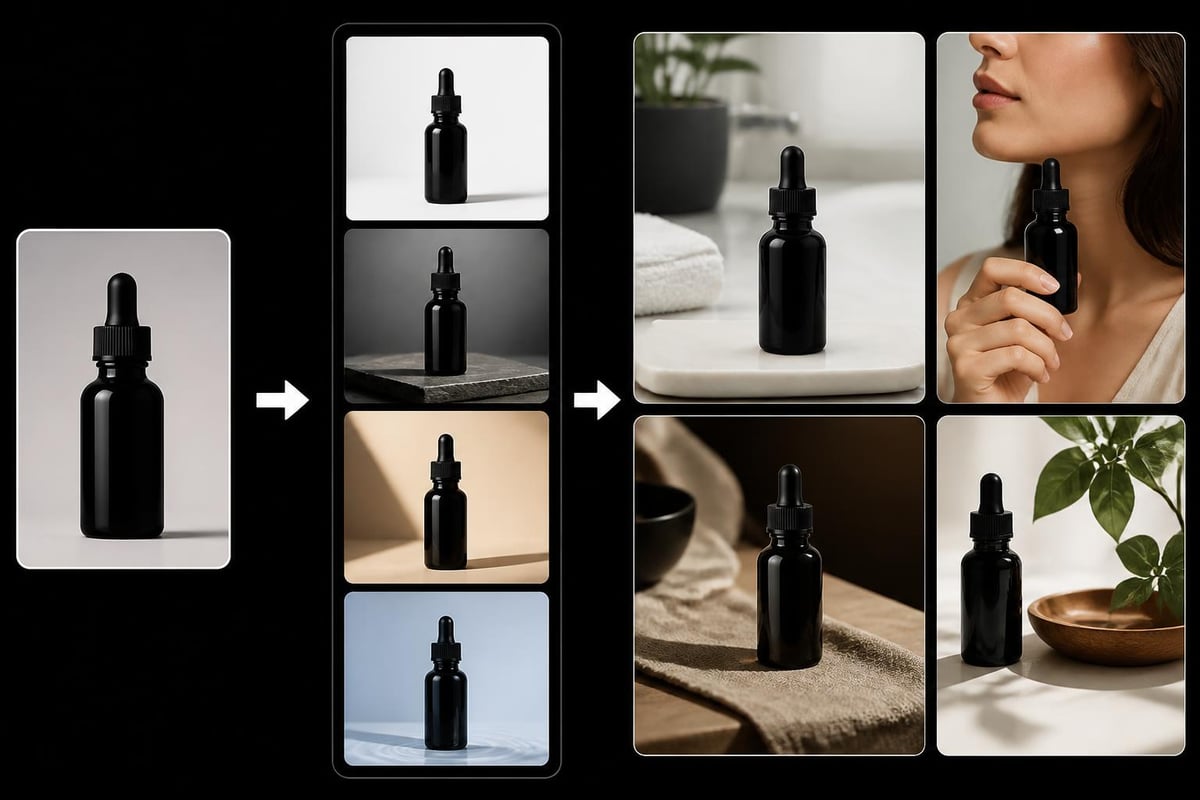
The e-commerce landscape in 2026 has become intensely visual, and product images now make or break conversion rates. Traditional product photography comes with substantial costs, lengthy timelines, and logistical headaches that slow down innovation. An ai product image generator changes this dynamic completely, letting businesses create professional product visuals in minutes rather than days or weeks. This technology has evolved from simple background removal to sophisticated tools that can generate entirely new scenes, angles, and contexts for products without a physical photoshoot.
What Makes AI Product Image Generation Revolutionary
The shift toward AI-generated product imagery isn't just about convenience. It's about fundamentally reimagining how brands create and test visual content at scale.
Traditional product photography involves hiring photographers, renting studios, coordinating schedules, and waiting days for edited results. Each new variation requires another round of this expensive cycle. An ai product image generator eliminates these bottlenecks by using machine learning models trained on millions of images to understand products, lighting, composition, and commercial photography standards.
The Technology Behind Product Image AI
Modern AI image generators leverage diffusion models and generative adversarial networks (GANs) that have been specifically fine-tuned for product photography. Research on automatic product image sequence generation demonstrates how these systems can create compliant, appealing visuals that meet e-commerce platform requirements.
Key capabilities include:
- Background replacement and scene generation
- Lighting adjustment and shadow creation
- Perspective correction and angle variation
- Style transfer for different aesthetic approaches
- Product placement in lifestyle contexts
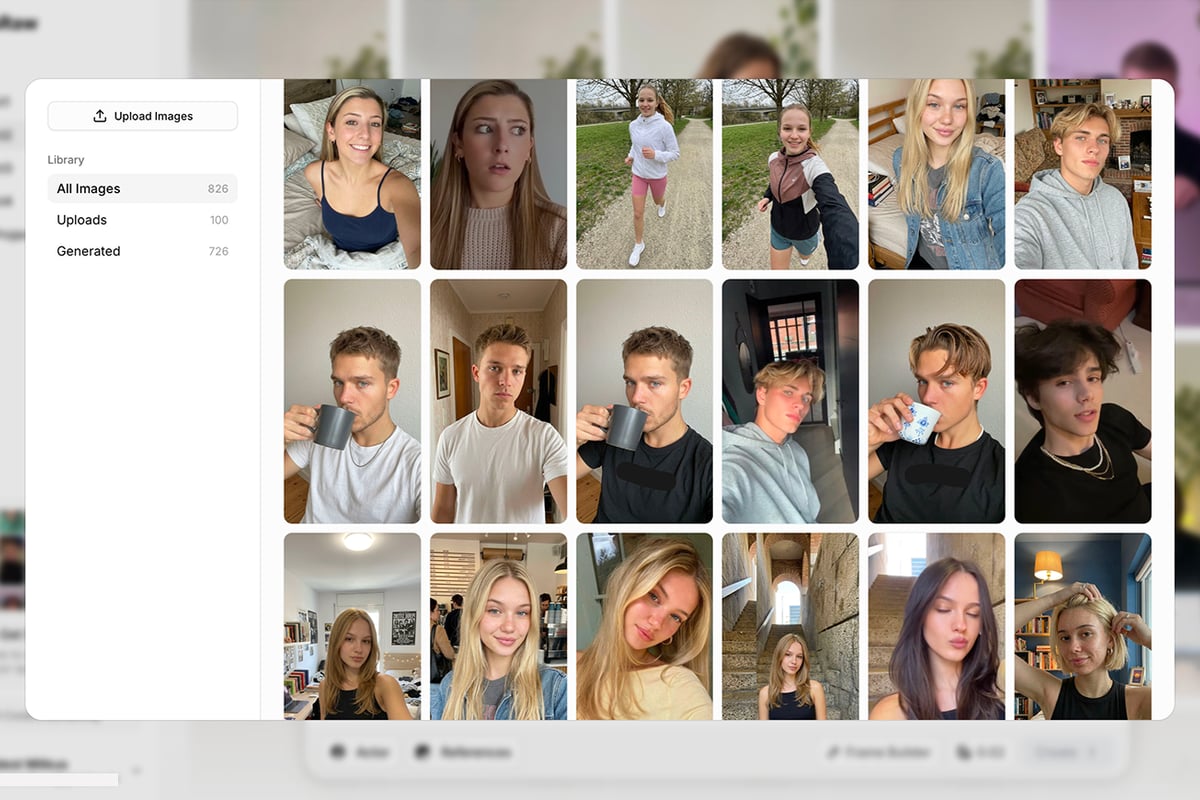
The most advanced systems can even generate products being held, worn, or used by AI-generated models, creating the authentic user-generated content aesthetic that drives engagement on social platforms.
Why E-commerce Brands Are Embracing AI-Generated Product Images
Speed matters in competitive markets. When you can generate 50 product image variations in the time it takes to schedule a single photoshoot, you unlock entirely new testing methodologies.
Brands using an ai product image generator report significant advantages:
- Rapid creative testing allows marketers to identify winning visuals faster
- Cost reduction of 70-90% compared to traditional photography
- Unlimited variations for A/B testing different backgrounds and contexts
- Consistent brand aesthetics across entire product catalogs
- Quick adaptation to seasonal campaigns and trending styles
The ability to generate variations on demand transforms how performance marketers approach creative strategy. Instead of committing to expensive shoots based on assumptions, teams can test concepts quickly and invest production budgets only in proven winners.
Real-World Applications Across Product Categories
Different product types benefit from AI generation in unique ways. Fashion and apparel brands can showcase items on diverse body types and in various settings without extensive model bookings. Electronics and gadgets look professional in clean studio settings or realistic lifestyle contexts. Beauty and skincare products appear in hands, on vanities, or in bathroom settings that drive purchase intent.
| Product Category | Traditional Photography Cost | AI Generation Cost | Time Savings |
|---|---|---|---|
| Fashion Items | $800-2,000 per shoot | $10-50 per batch | 95% faster |
| Electronics | $1,200-3,000 per shoot | $15-60 per batch | 90% faster |
| Beauty Products | $600-1,500 per shoot | $8-40 per batch | 93% faster |
| Home Goods | $1,000-2,500 per shoot | $12-50 per batch | 92% faster |
Choosing the Right AI Product Image Generator
Not all AI image tools deliver equal results for product photography. The best platforms balance ease of use with output quality and commercial licensing clarity.
When evaluating options, consider these critical factors:
Output quality remains paramount. Images must look professional enough for product pages and paid advertising. Look for generators that produce high-resolution outputs (at least 2048x2048 pixels) with clean edges, realistic lighting, and accurate product representation.
Commercial usage rights can't be overlooked. Some AI platforms restrict commercial use or claim partial ownership of generated images. Research on detecting AI-generated images highlights the importance of transparency in this space. Always verify licensing terms before using images in revenue-generating contexts.
Customization control separates basic tools from professional-grade solutions. The ability to specify backgrounds, lighting direction, viewing angles, and compositional elements gives creative teams the precision they need.
Integration with Existing Workflows
The most practical ai product image generator solutions integrate smoothly into current tech stacks. API access allows developers to automate image generation as part of product upload workflows. Batch processing capabilities help teams handle large catalogs efficiently. Export options in multiple formats (PNG, JPEG, WebP) ensure compatibility with various platforms.
For brands running extensive paid advertising campaigns, the ability to generate variations quickly becomes essential. Skip the photoshoot with AI-generated product imagery that's ready for ads, landing pages, and social media. When you're testing dozens of creative concepts weekly, traditional photography simply can't keep pace.
Best Practices for AI-Generated Product Visuals
Creating effective product images with AI requires more than just uploading a photo and clicking generate. Strategic thinking about your brand identity, target audience, and conversion goals shapes better outputs.
Start With Quality Source Material
Garbage in, garbage out applies fully to AI image generation. Begin with clear product photos shot on neutral backgrounds with good lighting. The AI can enhance and transform, but it needs sufficient detail to work with.
Optimal source images include:
- High resolution (minimum 1500x1500 pixels)
- Even lighting without harsh shadows
- Sharp focus on the product
- Neutral or solid-color backgrounds
- Multiple angles when available
Take a few minutes to prepare source images properly, and your ai product image generator will deliver dramatically better results.
Match Generated Images to Platform Requirements
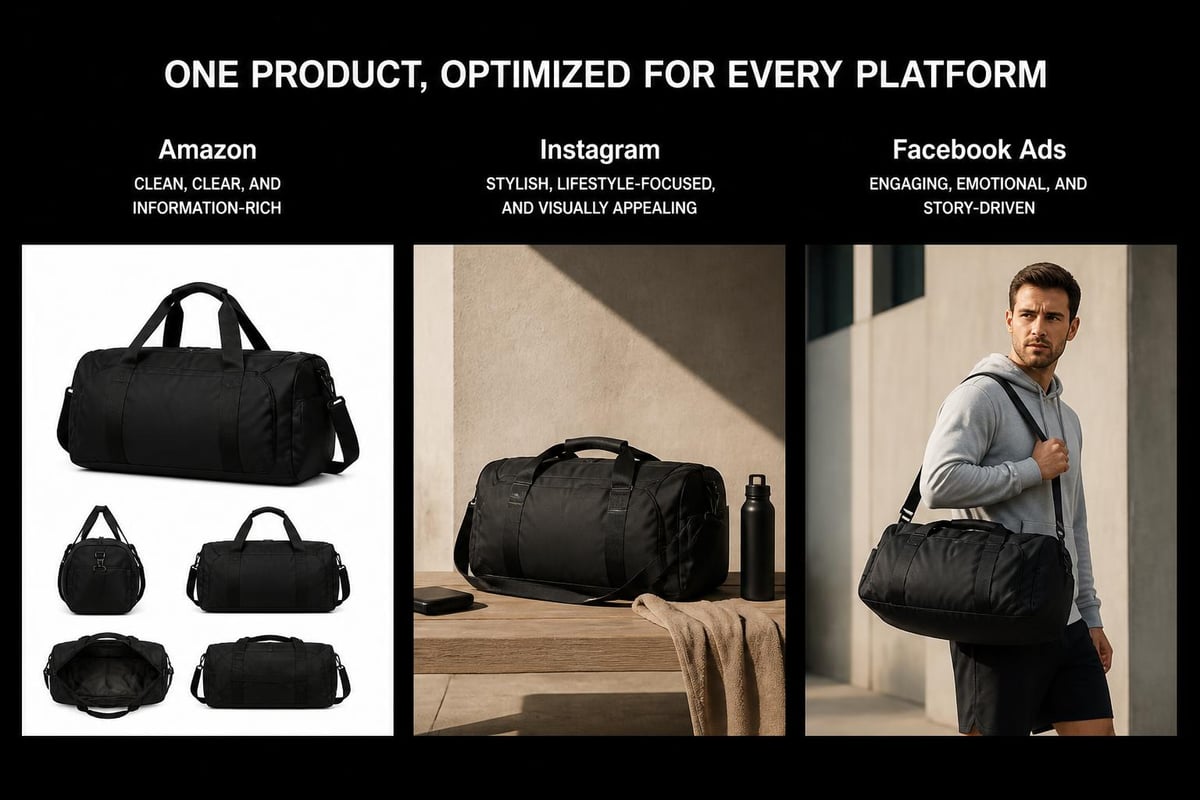
Different sales channels demand different image specifications. Amazon requires white backgrounds and specific aspect ratios. Instagram favors square formats and lifestyle aesthetics. Microsoft's MAI-Image-1 demonstrates how platform-specific optimization improves AI-generated imagery.
Create templates for each major platform so generated images align with technical requirements from the start. This prevents reformatting headaches and maintains quality through the publishing process.
Advanced Techniques for Maximum Impact
Once you've mastered basic AI product image generation, advanced techniques unlock even greater creative possibilities and performance improvements.
Lifestyle Context Generation
Products rarely exist in isolation. Showing items in realistic use contexts helps customers visualize ownership and increases emotional connection. An advanced ai product image generator can place your product in kitchens, offices, outdoor settings, or social situations that align with your target audience's lifestyle.
This technique proves especially powerful for:
- Home decor items shown in styled rooms
- Tech gadgets displayed in work or leisure settings
- Fashion accessories paired with complementary outfits
- Food products arranged in appetizing meal contexts
The key is authenticity. Generated scenes should feel natural rather than obviously synthetic. AI-generated images that feel personal demonstrate how customization enhances perceived authenticity.
Seasonal and Holiday Variations
Holiday shopping seasons demand fresh visuals, but scheduling photoshoots months in advance locks you into specific creative directions. AI generation lets you create seasonal variations on demand, testing different holiday themes quickly to identify what resonates.
Generate Halloween-themed backgrounds in October, winter holiday settings in November, or Valentine's Day contexts in January without long lead times or additional photography budgets.
Quality Control and Authenticity Concerns
As AI product image generators become more sophisticated, maintaining authenticity and managing customer expectations grows increasingly important.
Transparency in AI Usage
Some brands openly embrace AI-generated imagery, while others prefer to keep the technology invisible. There's no universal right answer, but consistency with your brand values matters. Detection methods for AI-generated images continue advancing, making complete secrecy increasingly difficult.
Consider these transparency approaches:
- Full disclosure: Explicitly mention AI-generated images in product descriptions
- Selective transparency: Disclose only when directly asked
- Functional accuracy: Ensure images accurately represent actual products regardless of generation method
Whatever approach you choose, prioritize accuracy. Generated images should truthfully represent the product customers will receive.
Maintaining Product Accuracy
The most sophisticated ai product image generator can't replace the need for at least one accurate reference photo. Use AI to create variations and contexts, but ensure the core product representation remains faithful to the physical item.
Pay special attention to:
- Color accuracy across different backgrounds and lighting
- Size proportions when placing products in contexts
- Texture and material representation
- Functional details like buttons, zippers, or controls
Integration With Broader Creative Strategies
Product images don't exist in isolation. They're part of comprehensive creative ecosystems that include video content, social media posts, and advertising campaigns.
The most effective approach treats AI-generated product images as components within larger creative strategies. Exploring over 70 AI tools reveals how image generation combines with other AI capabilities for comprehensive content creation.
From Static Images to Video Content
Still images anchor product pages, but video drives engagement on social platforms and in advertising. The natural evolution from an ai product image generator is toward video creation that maintains visual consistency with your product imagery.
Many brands now use AI to create both static product shots and short-form video content showing products from multiple angles or in use scenarios. This unified approach maintains brand consistency while maximizing content output from minimal source material.
Testing and Iteration Cycles
The real power of AI-generated imagery emerges in rapid testing cycles. Traditional photography makes extensive A/B testing prohibitively expensive. When you can generate 20 background variations in minutes, you can identify optimal contexts through data rather than guesswork.
Effective testing methodology:
- Generate 5-10 distinct variations across different visual themes
- Run each variation with identical ad copy and targeting
- Analyze performance after sufficient sample size (minimum 500 impressions per variant)
- Invest production budget in top performers
- Continue iterating with refinements to winning concepts
This data-driven approach to creative development transforms marketing from educated guessing to scientific optimization. For businesses exploring pricing options for AI creative tools, the cost savings from testing efficiency often exceed direct photography replacement value.
Industry-Specific Applications and Case Studies
Different industries leverage AI product image generators in unique ways tailored to their specific needs and customer expectations.
Fashion and Apparel
Clothing brands face particular challenges with traditional photography. Showing garments on diverse body types requires extensive model bookings. Seasonal collections demand rapid turnaround. Returns from inaccurate representations damage profitability.
AI generation addresses these challenges by creating realistic product presentations across body types, seasons, and styling contexts without physical constraints. Camera companies investing in AI startups signals mainstream acceptance of this technology in visual industries.
Beauty and Cosmetics
Skincare and cosmetics benefit enormously from contextual imagery showing products in bathrooms, on vanities, or being applied. These lifestyle shots drive conversion but require complex setups with traditional photography.
An ai product image generator creates these contexts instantly, showing products in aspirational settings that enhance perceived value and trigger purchase intent.
Electronics and Tech Gadgets
Tech products need clean, professional imagery emphasizing features and build quality. They also benefit from contextual shots showing size, portability, and use cases. AI generation handles both requirements efficiently, creating studio-quality shots alongside lifestyle applications.
Future Developments in AI Product Imagery
The technology continues advancing rapidly, with 2026 bringing capabilities that seemed impossible just years ago.
Hyper-Personalization
Emerging ai product image generator platforms incorporate customer data to create personalized product imagery. Imagine showing the same product in different contexts based on browsing history, location, or demographic data. This level of personalization was technically impossible with traditional photography.
Real-Time Generation
Cloud computing advances enable real-time image generation based on customer interactions. As shoppers customize products (selecting colors, configurations, or accessories), AI generates updated imagery instantly showing their exact specifications.
Multi-Modal Integration
The boundary between still images and video continues blurring. Next-generation tools generate both static shots and short video clips from the same input, maintaining perfect visual consistency across content types.
Getting Started With AI Product Image Generation
Ready to incorporate AI-generated imagery into your creative workflow? Start strategically rather than trying to replace everything at once.
Phase 1: Testing and Validation
Begin with a small product subset. Generate variations for 5-10 items and compare performance against existing imagery. This controlled test reveals whether AI-generated visuals resonate with your specific audience before committing to broader implementation.
Track these metrics:
- Click-through rates on product pages
- Conversion rates compared to traditional photography
- Customer questions or returns related to product expectations
- Cost per acquisition in paid advertising
Phase 2: Workflow Integration
Once you've validated effectiveness, integrate AI generation into regular workflows. Create templates for common scenarios (white background, lifestyle context, seasonal themes) to streamline production.
Train team members on prompt engineering and quality control. The best results come from humans who understand both creative principles and AI capabilities working together.
Phase 3: Scale and Optimization
With systems in place, scale to your full catalog. Continue testing variations to optimize conversion rates. Use performance data to refine your approach to backgrounds, contexts, and compositional elements.
Many successful brands maintain hybrid approaches, using AI generation for rapid testing and variations while commissioning premium traditional photography for hero shots and brand campaigns.
Measuring ROI on AI Product Image Generation
Justifying investment in an ai product image generator requires tracking concrete business impact beyond just cost savings.
Key performance indicators:
| Metric | Traditional Approach | AI Generation | Improvement |
|---|---|---|---|
| Time to Market | 2-3 weeks | 1-2 days | 90% faster |
| Variations Tested | 2-3 per quarter | 20-30 per month | 10x increase |
| Cost per Image Set | $500-2,000 | $20-100 | 85-95% reduction |
| A/B Test Velocity | 1-2 tests monthly | 10-15 tests monthly | 7x increase |
Beyond direct metrics, consider strategic advantages like competitive agility, reduced dependency on external vendors, and ability to respond quickly to market trends.
AI product image generation transforms how modern brands approach visual content creation, offering unprecedented speed, variety, and cost-efficiency. The technology has matured to the point where generated imagery rivals traditional photography for most commercial applications, while enabling testing velocities that were simply impossible before. If you're ready to move beyond static product images and create scroll-stopping visual content that actually converts, AdsRaw lets you generate realistic, UGC-style video ads and product imagery in minutes without hiring creators, helping you test creative concepts and identify winning ads faster than ever.